





What's Happening?
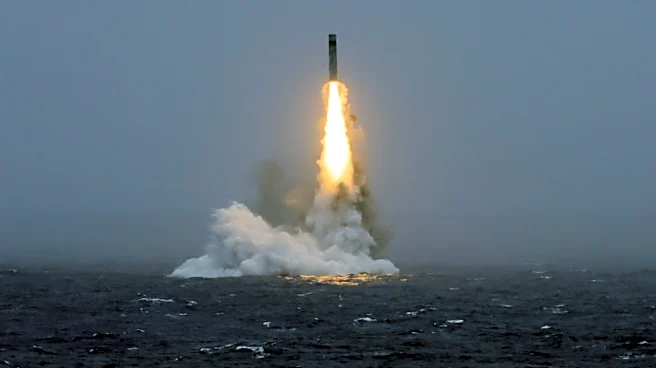
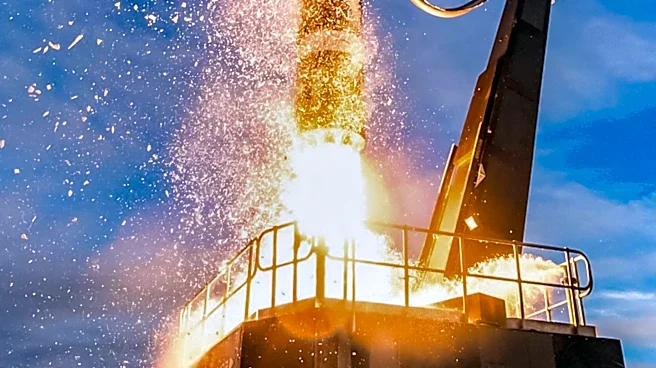
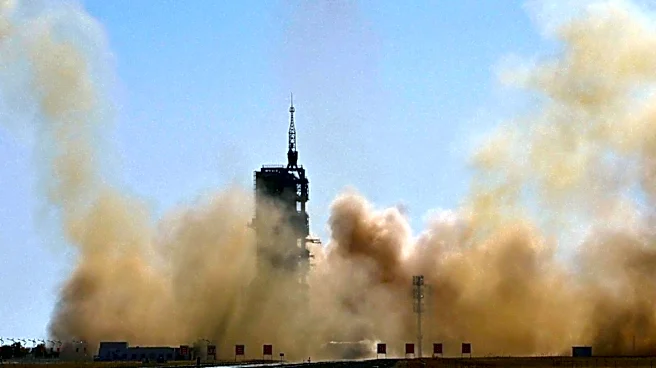
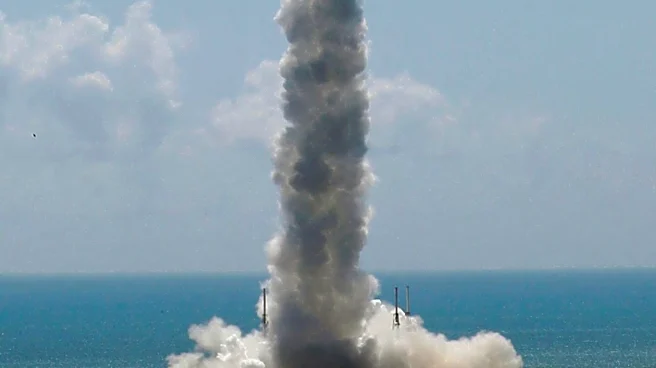
China recently conducted a long-range missile test in the Pacific, marking its second such test in less than two years. This action has raised concerns among countries in the region, including the United States and Australia, due to China's increasing
military and nuclear capabilities. The test was reportedly conducted with insufficient notice to regional neighbors, leading to criticism about China's transparency and intentions. The Solomon Islands' Prime Minister, Matthew Wale, expressed disappointment, highlighting the strain on relationships despite the country's close ties with China. Experts suggest that the test is part of China's strategy to assert itself as a major power and compel the U.S. to treat it as an equal partner.
Why It's Important?
The missile test underscores the growing tension in the Asia-Pacific region, where China's military expansion is viewed as a potential threat to the balance of power. For the U.S., this development could undermine its military security and influence in the region. The lack of transparency from China regarding its nuclear program exacerbates these concerns, as it complicates efforts to engage in arms control agreements. This situation could lead to increased military posturing and a potential arms race, affecting regional stability and international relations.
What's Next?
The U.S. and its allies may increase diplomatic and military efforts to counterbalance China's growing influence. This could involve strengthening alliances and partnerships in the region, as well as advocating for more transparency and dialogue with China regarding its military activities. The international community will likely continue to monitor China's actions closely, with potential calls for negotiations on arms control and nuclear transparency.
Beyond the Headlines
China's missile test highlights the broader geopolitical shifts occurring in the Asia-Pacific region. As China seeks to expand its influence, countries in the region may face difficult choices regarding their alliances and security strategies. This development also raises questions about the future of international arms control agreements and the role of emerging powers in shaping global security dynamics.