
What's Happening?
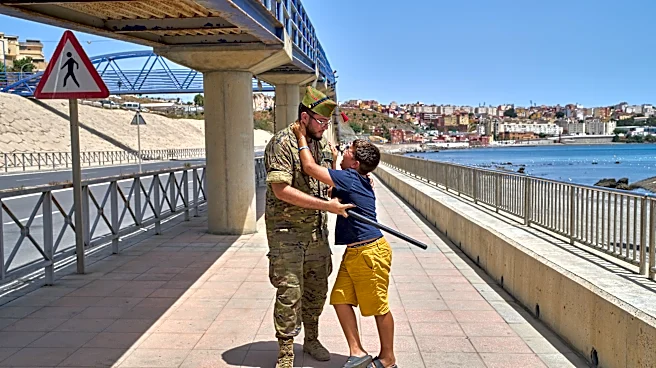
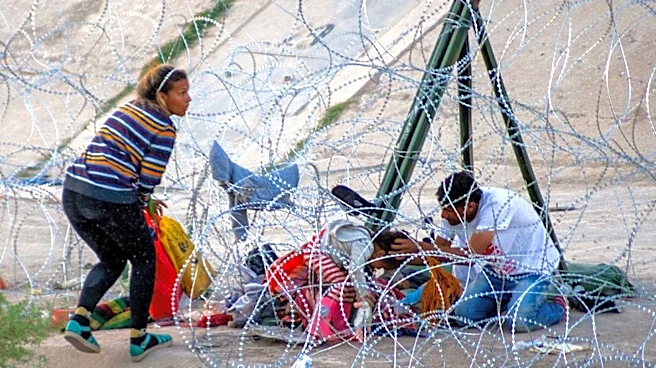
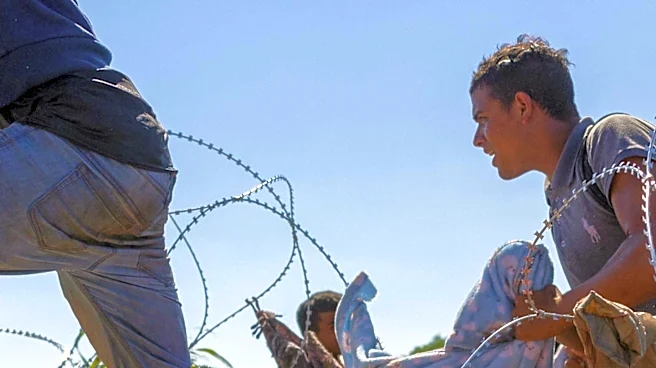
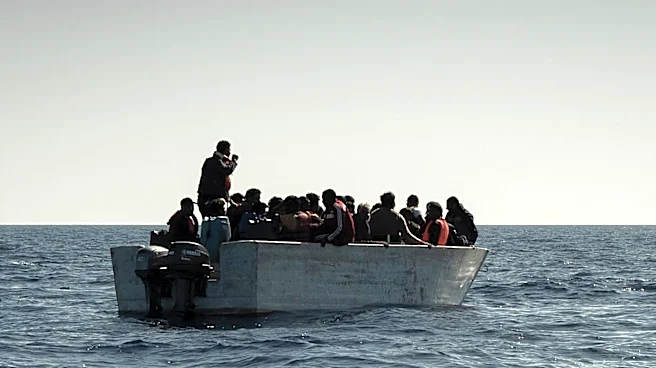
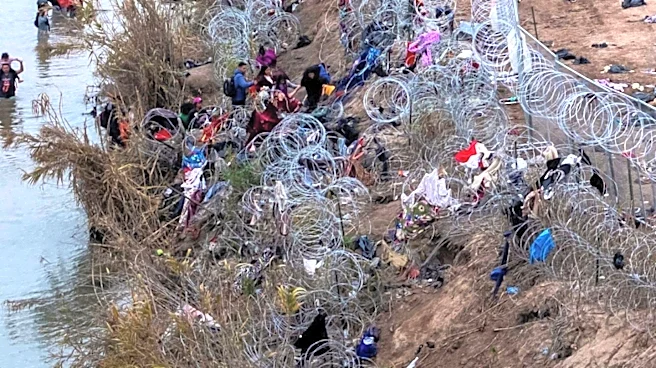
Recently, an estimated 60,000 Moroccans crossed into Ceuta, a Spanish city in North Africa, resulting in over 80 fatalities. This surge was reportedly influenced by misinformation spread via social media,
suggesting that a Spanish court ruling allowed migrants to cross without due process. The crisis is reminiscent of past border issues, such as Turkey's relaxed border enforcement with Greece in 2020, which was used to pressure the EU over its Syria policy. Economic factors, such as high youth unemployment in Morocco, and environmental stressors, like severe droughts and heatwaves, are significant drivers of migration. These conditions create a readiness among young Moroccans to migrate, which can be quickly activated by perceived opportunities or misinformation.
Why It's Important?
The Ceuta crisis underscores the complex interplay of economic, environmental, and political factors driving migration. It highlights the vulnerability of regions like North Africa, where climate change exacerbates existing economic hardships, leading to increased migration pressures. The situation also reveals how misinformation can rapidly escalate border crises, complicating the response from governments and humanitarian organizations. This incident serves as a warning for future climate-related migration crises, emphasizing the need for preparedness and coordinated responses to prevent similar situations from spiraling out of control.
What's Next?
Moving forward, governments and international organizations may need to enhance their preparedness for such crises by establishing clear operational responses and improving public communication. There is also a need for policies that address the root causes of migration, such as economic development and climate adaptation strategies. Additionally, tackling misinformation and improving trust in institutions could mitigate the impact of false narratives that exacerbate migration crises. The Ceuta incident may prompt policymakers to consider these factors more seriously in their future planning.
Beyond the Headlines
The Ceuta crisis illustrates the broader implications of climate change on migration patterns, where environmental stressors act as catalysts for political and social instability. It also raises ethical questions about the role of misinformation in shaping public perception and policy responses. The incident highlights the need for a nuanced understanding of the climate-migration relationship, ensuring that political narratives do not overshadow the structural issues at play. This understanding is crucial for developing effective and humane migration policies that consider both immediate and long-term challenges.