






What's Happening?
A federal appeals court has rejected the Trump administration's attempt to redetain Badar Khan Suri, a Georgetown University scholar arrested by ICE last year. Suri, an Indian postdoctoral fellow married to a US citizen, was detained for nearly six weeks
before being released on bail. The court's decision upheld a previous ruling and denied the government's request to move the case from Virginia to Texas. This ruling is significant for individuals in immigration custody seeking to challenge their detention through the federal courts system, invoking the constitutional principle of habeas corpus.
Why It's Important?
The court's decision is a critical affirmation of the rights of individuals in immigration detention to seek judicial review. It challenges the Trump administration's efforts to use immigration laws to silence dissent, particularly against those expressing pro-Palestinian views. The ruling underscores the judiciary's role in checking executive power and protecting constitutional rights, such as free speech. This case could set a precedent for similar cases, potentially influencing how immigration laws are applied and interpreted in the future.
What's Next?
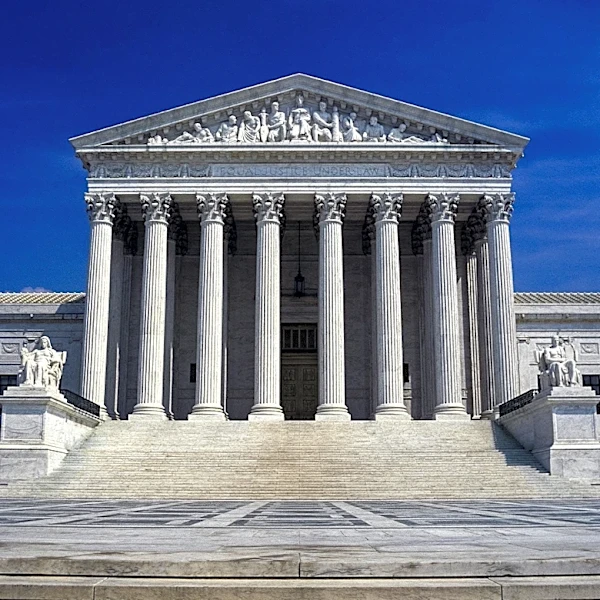
The decision may lead to a Supreme Court review, as similar cases have reached different conclusions in other appeals courts. The outcome of such a review could have broad implications for immigration policy and the rights of detainees. Legal experts and civil rights organizations will likely continue to monitor and challenge the administration's immigration policies, advocating for the protection of constitutional rights.