
What's Happening?
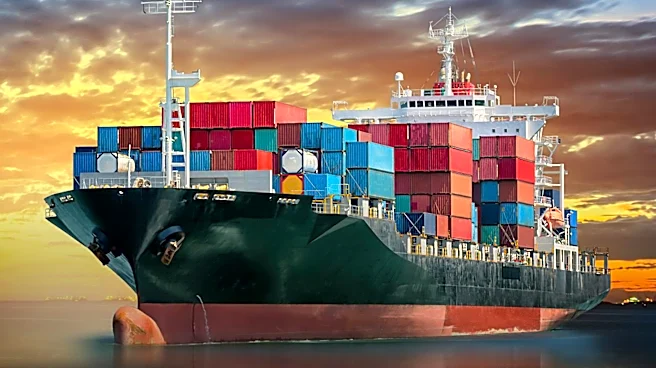
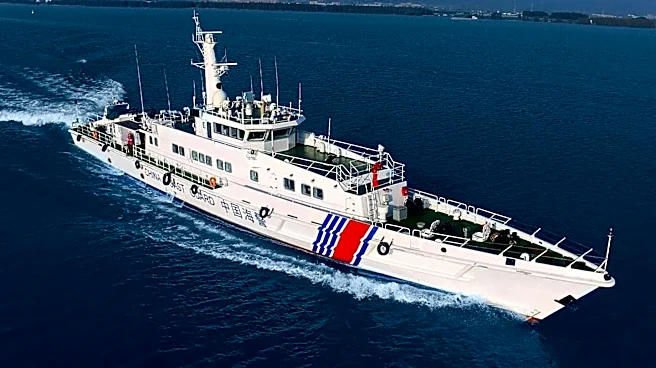
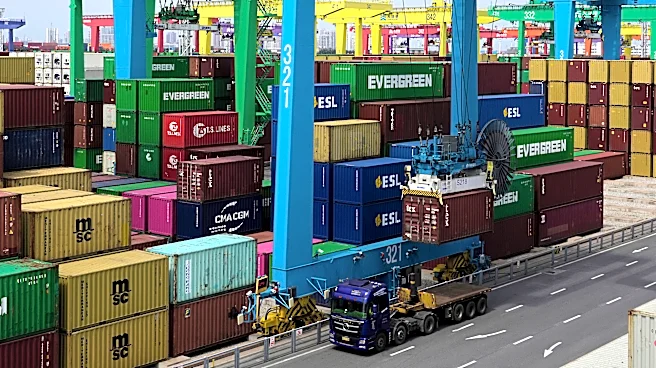
The International Organisation for Mediation (IOMed) has successfully mediated its first case, resolving a complex maritime dispute between parties from China and Singapore. This case, concluded in early May at IOMed's Hong Kong headquarters, involved
a charter party chain and marked a significant milestone for the organization. IOMed, established as the world's first intergovernmental organization dedicated specifically to mediation, has moved from institution-building to active dispute resolution. The organization was founded on a multilateral convention and is equipped with international legal personality, a member-State governance structure, and a professional secretariat. Its mediation process emphasizes voluntariness, impartiality, independence, and efficiency, allowing parties to reach a mutually acceptable solution without external imposition.
Why It's Important?
The successful mediation by IOMed highlights the growing importance of mediation as a tool for international dispute resolution. By providing a structured and professional environment for mediation, IOMed strengthens the role of peaceful negotiation in resolving international conflicts. This development is significant for global trade and international relations, as it offers an alternative to litigation and arbitration, which can be more adversarial and costly. The organization's ability to facilitate complex, cross-border disputes could lead to more efficient and amicable resolutions, benefiting international commerce and diplomatic relations. The case also underscores Hong Kong's strategic role as a hub for international dispute resolution, leveraging its legal expertise and cultural connections.
What's Next?
Following this successful mediation, IOMed is expected to handle more international disputes, potentially expanding its influence in global conflict resolution. The organization's framework allows it to address a wide range of issues, from commercial to state-to-state disputes, which could attract more member states and increase its caseload. As IOMed continues to demonstrate its effectiveness, it may encourage other regions to adopt similar mediation-focused approaches, potentially reshaping the landscape of international dispute resolution. Stakeholders, including governments and multinational corporations, may increasingly turn to IOMed for resolving disputes, valuing its emphasis on voluntary and impartial mediation.
Beyond the Headlines
The establishment of IOMed and its successful mediation efforts could have long-term implications for international law and diplomacy. By institutionalizing mediation, IOMed provides a model for integrating mediation into the broader architecture of international dispute settlement. This approach could lead to a shift in how international disputes are perceived and managed, promoting a culture of negotiation and compromise over confrontation. Additionally, IOMed's success may inspire similar initiatives in other regions, fostering a more collaborative global environment for resolving conflicts.