






What's Happening?
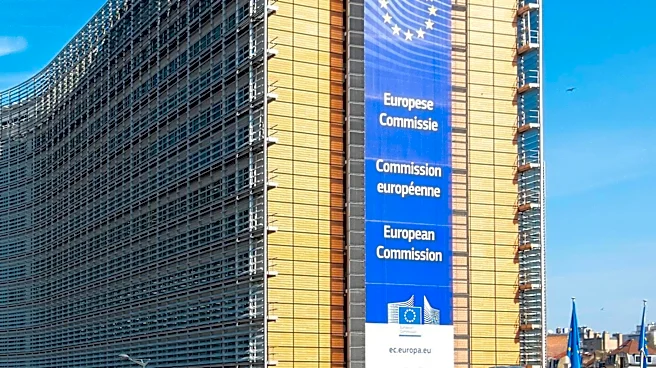
European Union ambassadors failed to reach a unanimous agreement on Monday to extend one of the bloc’s Russia sanctions programs. The sanctions regime, which includes asset freezes for approximately 3,000 individuals and companies, was set to expire on Tuesday.
Slovakia has demanded the removal of two prominent Russian businessmen, Alisher Usmanov and Mikhail Fridman, from the sanctions list. France has also reportedly supported the delisting of Usmanov, citing a specific national security issue and a desire to respond positively to international partners. Most other EU capitals, however, are reluctant to consider delisting anyone while Russia continues to launch missiles at Ukrainian civilian targets. Discussions are ongoing, with ambassadors expected to reconvene to address the impasse.
Why It's Important?
The inability of EU member states to unanimously agree on the rollover of Russia sanctions highlights internal divisions within the bloc regarding its approach to the ongoing conflict in Ukraine and its relationship with Russia. The sanctions are a key tool in the EU's foreign policy, intended to exert pressure on Russia. A failure to renew them, or the delisting of significant individuals, could be perceived as a weakening of the EU's resolve and potentially undermine the effectiveness of its broader sanctions strategy. This situation could also create diplomatic tensions among member states, particularly between those advocating for stricter measures and those seeking concessions. The outcome will have implications for the EU's credibility on the international stage and its ability to maintain a united front against Russian aggression.
What's Next?
EU ambassadors are scheduled to reconvene to continue discussions and attempt to reach a unanimous agreement on the sanctions rollover. The immediate next step is to secure an extension before the current regime expires. Key points of contention, such as the delisting of specific individuals and the duration of the extension (six months versus 12 months), will need to be resolved. The outcome will likely involve intense diplomatic negotiations, with member states balancing their national interests with the collective foreign policy goals of the EU. The decision will determine the immediate future of the EU's sanctions against Russia and could set a precedent for future renewals.
Beyond the Headlines
This diplomatic struggle within the EU reveals the complex interplay of national interests, economic considerations, and geopolitical pressures that shape international sanctions policy. While the stated purpose of sanctions is to influence the behavior of targeted states, their implementation often involves intricate negotiations and compromises among allies. The demands for delisting certain individuals, even amidst ongoing conflict, underscore the potential for individual member states to leverage their veto power for specific national or economic advantages. This situation could also raise questions about the long-term sustainability and political will behind comprehensive sanctions regimes, especially as conflicts prolong and economic pressures mount on member states.