



What's Happening?
A semitractor-trailer carrying approximately 120 to 130 cattle overturned in Kansas City, Missouri, plunging off a highway overpass onto a car below. The incident occurred shortly before 3 a.m. on a Sunday, leading to the deaths of 45 to 60 cattle. The crash
happened when the truck fell from the westbound I-70 curve over SB I-35. Dozens of surviving cattle fled the scene, causing additional traffic incidents and prompting a search effort. Both the truck driver and the driver of the car that was struck sustained minor injuries and received treatment at local hospitals. Authorities utilized drones to track the escaped animals, and a private company, in conjunction with the trucking company, deployed workers on horseback to round up the cattle. By Sunday afternoon, all cattle were believed to have been accounted for. The accident caused significant road closures in the downtown area.
Why It's Important?
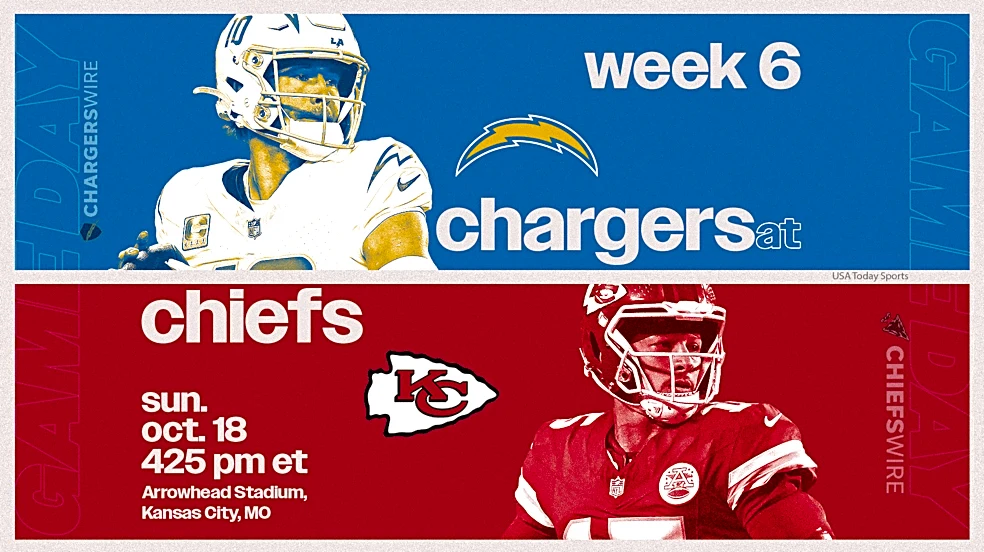
This incident highlights several critical issues, including road safety, animal welfare, and the logistical challenges associated with transporting livestock. The immediate impact involved significant traffic disruptions in a major U.S. city, particularly on a day when the Kansas City Chiefs were hosting an NFL game, though major game traffic disruptions were not anticipated due to widespread publicity. The loss of dozens of cattle represents a substantial economic blow to the trucking company and potentially the livestock industry, underscoring the financial risks involved in such accidents. Furthermore, the escape of traumatized animals into urban areas poses public safety concerns, as evidenced by the additional crashes reported. The response, involving police, fire departments, and private contractors with specialized equipment like drones and horses, demonstrates the complex coordination required for such emergencies and the strain they can place on local resources.
What's Next?
Following the incident, authorities will likely conduct a thorough investigation into the cause of the semitractor-trailer overturning. This investigation will aim to determine factors such as driver error, vehicle malfunction, or road conditions, which could lead to recommendations for improved safety measures for commercial vehicles, particularly those transporting livestock. The trucking company will face the immediate task of managing the financial and logistical aftermath, including dealing with the loss of livestock and potential legal liabilities. Local transportation departments may review the safety of the highway overpass and surrounding infrastructure. Additionally, there may be discussions regarding protocols for handling large-scale animal escapes in urban environments, potentially leading to refined emergency response plans to mitigate future risks to both public safety and animal welfare.
Beyond the Headlines
The incident in Kansas City extends beyond a simple traffic accident, touching upon broader societal and ethical considerations. The tragic loss of dozens of cattle raises questions about animal welfare during transport and the potential for more humane practices in the industry. The sight of cattle roaming city streets can evoke public sympathy and spark discussions about the treatment of animals in commercial operations. Environmentally, the cleanup of such an event, including the disposal of deceased animals, presents its own set of challenges. From a logistical standpoint, the use of drones and horseback riders to manage the escaped animals showcases an evolving approach to emergency response, blending modern technology with traditional methods. This event could also prompt a re-evaluation of urban planning and infrastructure design, particularly concerning the proximity of major highways to densely populated areas and the potential for catastrophic incidents to impact daily life and commerce.