



What's Happening?
An Air Canada flight experienced a collision with a Port Authority vehicle upon landing at New York's LaGuardia Airport. The incident occurred late at night, with the New York Police Department confirming the collision but not providing further details
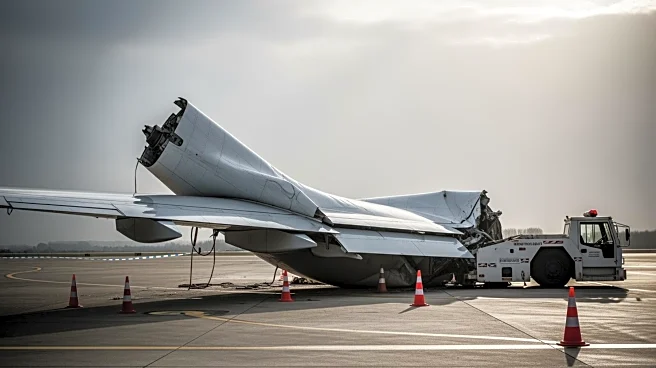
immediately. The New York City Fire Department responded to the scene following reports of the crash, which took place at 11:38 p.m. The Federal Aviation Administration's National Airspace System website indicated that LaGuardia Airport was subsequently closed. Videos shared on social media by bystanders depicted the aircraft with significant damage to its front section.
Why It's Important?
The collision at LaGuardia Airport highlights potential safety concerns and operational challenges at one of the busiest airports in the United States. Such incidents can lead to significant disruptions in air travel, affecting thousands of passengers and potentially causing delays and cancellations. The closure of LaGuardia Airport, even temporarily, can have a ripple effect on the broader air travel network, impacting flight schedules and logistics. Additionally, this event raises questions about ground operations and safety protocols at major airports, emphasizing the need for stringent safety measures to prevent similar occurrences in the future.
What's Next?
In the aftermath of the collision, investigations are likely to be conducted by relevant authorities, including the Federal Aviation Administration, to determine the cause of the incident and assess any procedural lapses. The findings could lead to changes in airport safety protocols and operational guidelines to enhance safety and prevent future incidents. Stakeholders such as airline companies, airport authorities, and regulatory bodies may collaborate to implement improved safety measures. Passengers affected by the incident may seek compensation or alternative travel arrangements, and airlines will need to manage customer relations and logistics effectively.