
What's Happening?
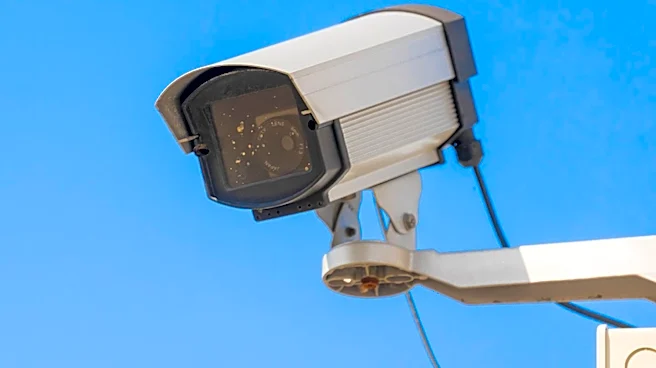
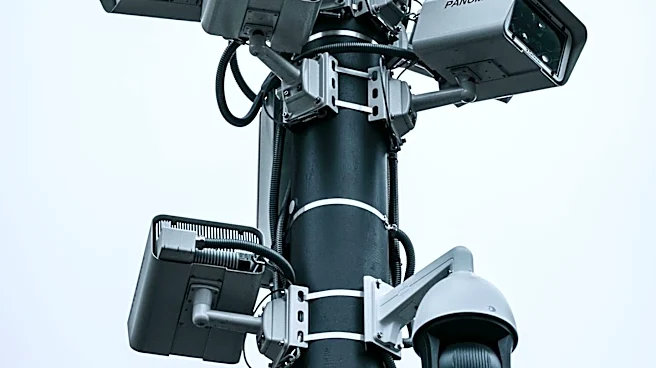
Three individuals in Akron are facing felony vandalism charges for damaging Flock Safety license-plate cameras. According to the Akron Beacon Journal, 17 of the city's 145 Flock cameras have been damaged,
vandalized, or stolen since July 10. Eight of these cameras have been replaced at a cost of approximately $4,000. The damage includes cameras being painted or taped over, wires snipped, and entire units cut down and presumed stolen. The incidents are spread across various Akron neighborhoods, including Goodyear Heights, Middlebury, Chapel Hill, and North Hill. Akron police Lt. Michael Murphy stated that investigations are ongoing, but identifying suspects is challenging as Flock cameras do not capture live footage, making it difficult to review incidents in real-time. This wave of vandalism occurs while the Flock camera system is already under scrutiny in Akron, following reports of a former police officer misusing the technology.
Why It's Important?
The damage to Akron's Flock cameras highlights growing tensions surrounding surveillance technology in urban areas. The financial cost of replacing damaged cameras, though currently absorbed by the city, represents a burden on taxpayer resources. More significantly, the vandalism underscores public resistance or dissatisfaction with such systems, potentially fueled by concerns over privacy and misuse. The Akron Beacon Journal's reporting on a former police officer using the system to search for himself has amplified these concerns, leading to calls for a pause in the program from an Akron City Council resolution and the Citizens’ Police Oversight Board. This situation reflects a broader national debate on the balance between public safety and individual privacy, with cities grappling with how to implement and oversee surveillance technologies responsibly. The ongoing policy fight could influence how other municipalities approach similar surveillance initiatives.
What's Next?
The three individuals charged with felony vandalism will proceed through the Summit County court system. Concurrently, the policy debate surrounding Akron's Flock camera program will continue within the City Council and the Citizens’ Police Oversight Board. The City Council is considering a resolution to urge a pause in the program, while the oversight board is discussing sending a letter to the city requesting a halt to renewing the Flock contract. The outcome of these discussions will determine whether Akron continues to operate all 145 cameras or if the program faces a temporary or permanent suspension. City safety officials, including Public Safety Chief Craig Morgan, continue to defend the system, citing its effectiveness in speeding up investigations and solving cases. The availability of a Flock Camera Protection Plan, which covers replacements at no additional cost, may also factor into the city's decision-making regarding the program's future.
Beyond the Headlines
The incidents in Akron reveal a deeper societal conflict regarding the role of technology in policing and public life. The vandalism could be interpreted as a form of civil disobedience or protest against perceived overreach of surveillance. Beyond the immediate costs and legal proceedings, the situation raises questions about community engagement and trust in law enforcement. If citizens feel their privacy is being compromised or that the technology is being misused, it can erode trust and lead to further resistance. The lack of live footage from Flock cameras, as noted by Lt. Murphy, also highlights a technological limitation that complicates investigations into the very acts of vandalism they are meant to deter. This scenario could prompt a reevaluation of the capabilities and ethical implications of such surveillance tools, potentially leading to demands for greater transparency, accountability, and public input in their deployment.