
What's Happening?
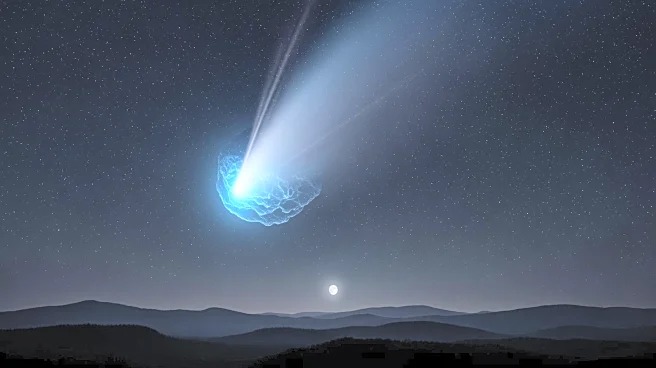
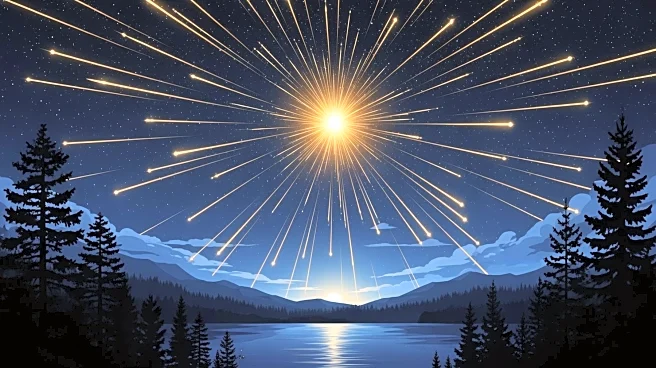
The Geminid meteor shower, one of the most anticipated astronomical events of the year, is set to peak this weekend, offering a dazzling display of shooting stars. According to astronomers, the shower will be visible until December 20, with the most intense
activity expected overnight from Saturday to Sunday. The meteors, which are visible globally, will provide the best views in the northern hemisphere. Dr. Robert Massey, deputy executive director at the Royal Astronomical Society, noted that observers could see up to 100 meteors per hour, translating to one or two meteors every minute. This makes the Geminid shower one of the strongest and most reliable meteor showers annually.
Why It's Important?
The Geminid meteor shower is significant not only for its visual spectacle but also for its contribution to public interest in astronomy and space science. Events like these provide an opportunity for educational outreach, encouraging people to learn more about celestial phenomena and the science behind them. For amateur astronomers and enthusiasts, the shower offers a chance to engage with the night sky and potentially inspire future generations of scientists. Additionally, such events can boost local tourism in areas with optimal viewing conditions, as people travel to experience the meteor shower in its full glory.
What's Next?
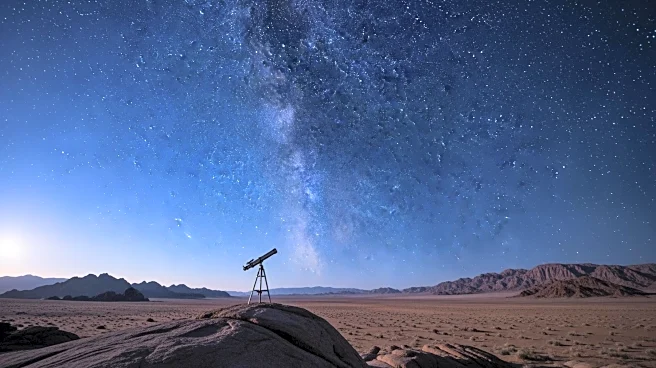
As the Geminid meteor shower continues, weather conditions will play a crucial role in visibility. Clear skies are essential for optimal viewing, and astronomers will be monitoring weather forecasts closely. In areas with favorable conditions, local observatories and astronomy clubs may organize viewing events to enhance the experience for the public. Looking ahead, the next major meteor shower, the Quadrantids, is expected to peak in early January, providing another opportunity for stargazers to enjoy the wonders of the night sky.