





What's Happening?
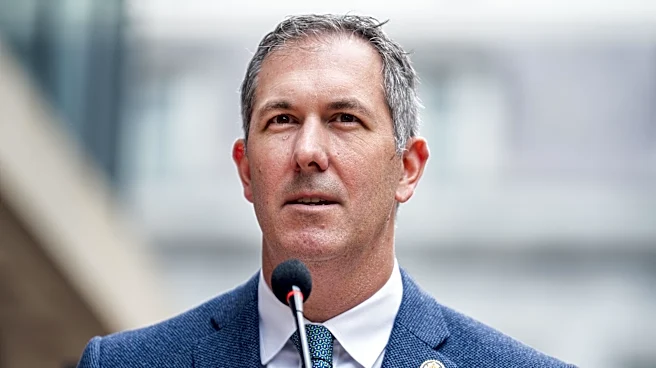
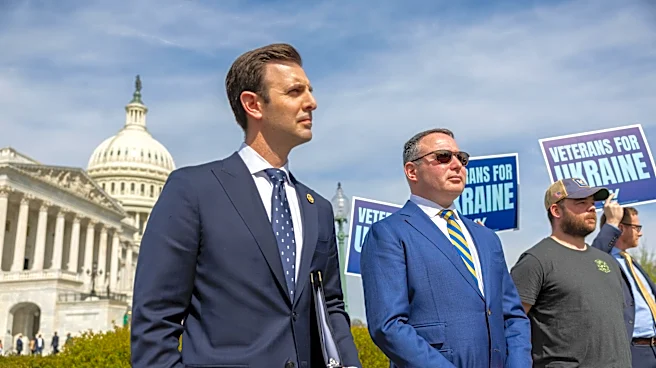
On November 13, 2026, Congressman Josh Gottheimer (NJ-5) announced three new bipartisan legislative proposals aimed at expanding disability benefits for U.S. veterans. The announcement was made during a Veterans Day roundtable held at the Bogota VFW Post
5561 in North Jersey, where he met with local veterans and service organization representatives. The proposed legislation, introduced in collaboration with Congressman Mike Lawler (NY-17), seeks to address eligibility requirements for veterans diagnosed with sarcoidosis, certain neurological conditions, and other chronic illnesses that may manifest years after military service. Specifically, the SARC Act would remove the one-year post-service cutoff for sarcoidosis to be presumed service-connected, the LINK Act would presume a connection between service-related PTSD and later-onset dementia or Parkinson's disease, and the Protecting Vets From Chronic Illness Act would mandate a review and update of the VA's list of 41 chronic diseases presumed to be connected to military service, a list that has not been updated since 1988. These bills aim to ensure that veterans receive the benefits they have earned, regardless of the delayed onset of certain conditions.
Why It's Important?
This legislative initiative is significant for nearly 300,000 veterans in New Jersey, including over 65,000 who currently receive VA disability compensation. The proposed changes could substantially impact the lives of veterans nationwide who suffer from conditions with delayed onset, such as sarcoidosis, dementia, or Parkinson's disease linked to PTSD. By removing the one-year limitation for sarcoidosis and presuming connections for neurological conditions, the legislation addresses critical gaps in current VA policy that often prevent veterans from receiving timely and adequate care. The mandate to update the VA's list of service-connected chronic diseases, which has remained unchanged since 1988, is crucial for reflecting modern medical understanding and ensuring that contemporary health challenges faced by veterans are recognized. This effort underscores a bipartisan commitment to supporting veterans' health and well-being, potentially setting a precedent for more inclusive and responsive veterans' benefits policies across the country.
What's Next?
The three newly announced disability benefits bills will require congressional approval to become law. Following their introduction, these bills will proceed through the legislative process, including committee hearings and votes in both the House and Senate. The bipartisan nature of the introduction, with support from Congressman Mike Lawler, suggests a potential for cross-aisle cooperation, which could facilitate their passage. Advocacy groups like the Foundation for Sarcoidosis Research (FSR) and the Life & Breath Foundation have already expressed strong support, indicating a concerted effort to push for these reforms. Additionally, Congressman Gottheimer highlighted the recent House passage of the bipartisan Major Richard Star Act, which aims to expand retirement and disability compensation for combat-injured veterans, suggesting a broader legislative momentum for veterans' benefits. The VA will be required to review and recommend updates to its chronic disease list if the Protecting Vets From Chronic Illness Act passes, leading to potential changes in how service-connected conditions are recognized.
Beyond the Headlines
The introduction of these bills highlights a broader systemic issue within veterans' healthcare: the challenge of recognizing and compensating for conditions that do not manifest immediately after service. Many service-related illnesses have long latency periods, and current regulations may not adequately account for these delayed effects. This legislative push could prompt a re-evaluation of how the VA defines 'service-connected' conditions, moving towards a more comprehensive and medically informed approach. It also underscores the ethical imperative to provide continuous support for those who have served, acknowledging that the long-term health consequences of military service can be complex and varied. The use of AI to identify suicide risk factors among veterans, as proposed in Gottheimer's Data-Driven Suicide Prevention and Outreach Act, further illustrates a forward-thinking approach to veterans' care, integrating technology to address critical health challenges beyond physical ailments.