






What's Happening?
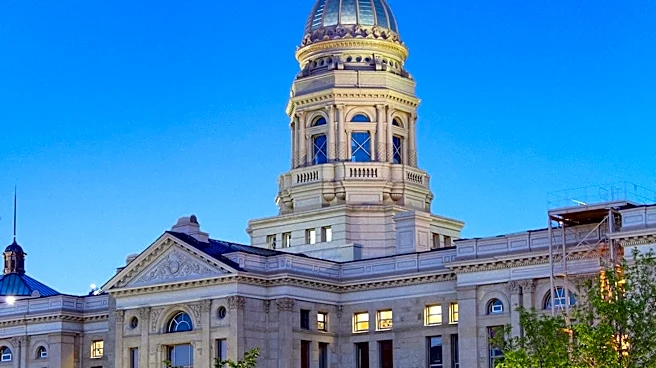
The University of Wyoming (UW) has announced a further decrease in its student headcount, falling from 10,819 students last fall to 10,630 this semester. This marks a 1.7% drop in overall enrollment and continues a downward trend that has seen UW's student population
decline by over 20% since 2015. The primary driver of this recent decline is a 2.2% reduction in on-campus enrollment in Laramie and a nearly 4% decrease in first-time, in-state students. While the university's freshman class grew by almost 5% this year, this increase was entirely due to a rise in out-of-state students, with in-state recruits actually falling. The UW Board of Trustees Vice Chair, Laura Schmid-Pizzato, emphasized that this persistent decline is the university's top focus, noting that while the annual percentage drop might seem nominal, it accumulates significantly over time.
Why It's Important?
The sustained decline in enrollment at the University of Wyoming carries significant implications for the institution, the state's economy, and its future workforce. A shrinking student body can lead to reduced tuition revenue, potentially impacting academic programs, faculty retention, and campus infrastructure. The specific drop in first-time, in-state students suggests a challenge in attracting local talent, which could have long-term effects on Wyoming's ability to retain its youth and develop a skilled local workforce. While an increase in out-of-state students helps offset some of the numbers, it doesn't fully address the underlying issue of declining local engagement. This trend could also influence state funding for the university, as enrollment figures often play a role in budget allocations. The university's struggle to rebound from pandemic-era enrollment losses, unlike some other institutions, highlights a broader challenge in adapting to changing perceptions of higher education's value and demographic shifts.
What's Next?
The University of Wyoming will likely intensify its efforts to address the ongoing enrollment decline, particularly focusing on strategies to attract and retain in-state students. This could involve re-evaluating recruitment tactics, enhancing scholarship opportunities for Wyoming residents, and strengthening partnerships with high schools across the state. The university may also explore new academic programs or delivery methods to appeal to a broader range of prospective students. The UW Board of Trustees will continue to monitor these trends closely, and their discussions will likely center on developing comprehensive plans to reverse the downward trajectory. Furthermore, the university might analyze the success of initiatives like the 'Good Neighbor' scholarship, which has boosted out-of-state enrollment from bordering states, to see if similar models can be adapted for in-state recruitment or if other incentives are needed to encourage local students to choose UW.
Beyond the Headlines
The University of Wyoming's enrollment challenges reflect a national trend impacting many higher education institutions, particularly those in states with declining youth populations or shifting attitudes towards the value of a traditional four-year degree. Beyond the immediate financial and operational concerns, a sustained decline in student numbers can impact the cultural vibrancy of the university and the broader Laramie community. It also raises questions about the long-term sustainability of public universities in an evolving educational landscape. The reliance on out-of-state students, while providing a temporary buffer, may alter the institution's identity and its primary mission to serve the residents of Wyoming. This situation underscores the need for innovative approaches to higher education, including potentially re-evaluating curriculum, offering more flexible learning options, and clearly articulating the return on investment for a college degree in today's economy.