


What's Happening?
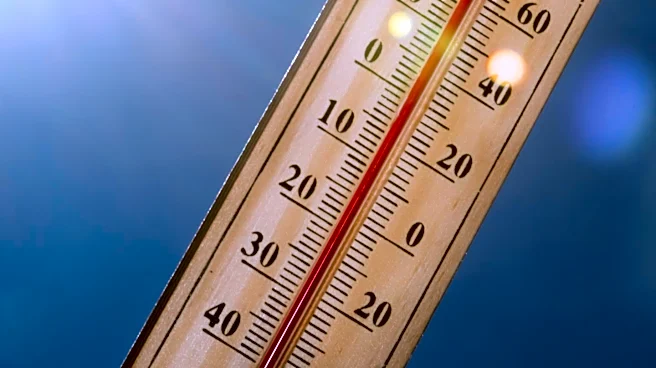
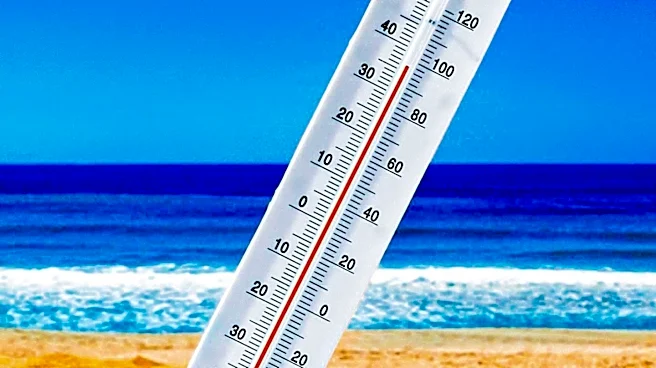
The record for the hottest temperature ever recorded on Earth, 134 degrees Fahrenheit in Death Valley on July 10, 1913, is being questioned by meteorologists. A 2016 review deemed the reading 'essentially impossible,' yet it remains the official record.
The World Meteorological Organization (WMO) previously dismissed a 1922 record from Libya due to measurement errors, allowing Death Valley's record to stand. Recent studies suggest the actual temperature was closer to 120 degrees Fahrenheit, casting doubt on the validity of the 1913 record.
Why It's Important?
This controversy highlights the challenges in maintaining accurate historical weather records and the implications for scientific credibility. The persistence of the disputed record reflects broader issues in institutional inertia and the difficulty of revising established data. Accurate temperature records are crucial for understanding climate patterns and informing policy decisions related to climate change. The debate also underscores the importance of rigorous scientific validation and the potential impact of outdated or incorrect data on public perception and policy.
Beyond the Headlines
The situation illustrates how official records can persist due to bureaucratic inertia rather than scientific accuracy. It raises questions about the processes for validating and revising historical data, which can affect public trust in scientific institutions. The case serves as a reminder of the need for transparency and accountability in scientific record-keeping, especially as climate data becomes increasingly critical in global policy discussions.