





What's Happening?
Several new laws have taken effect in Colorado as of July 1, following legislative sessions in 2025 and 2026. Among these are significant changes to gun laws, including raising the minimum age to purchase ammunition to 21 and requiring ammunition to be
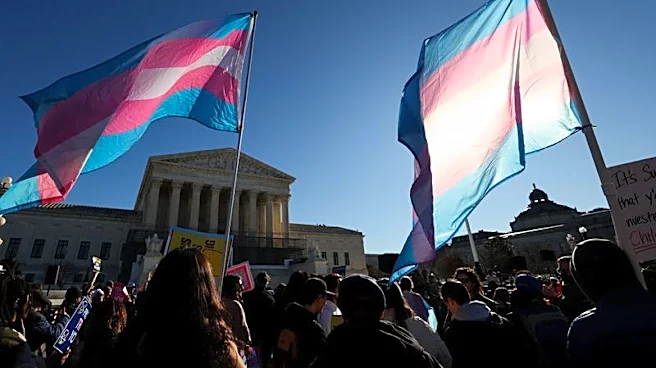
stored behind counters or on locked shelves. Additionally, a new law bans the production of 3D-printed guns and components, targeting untraceable firearms known as 'ghost guns.' These measures aim to enhance public safety, though they have faced criticism for potentially infringing on constitutional rights. Another law empowers victims of conversion therapy to sue practitioners for psychological harm, responding to a Supreme Court decision that overturned a previous ban on conversion therapy for minors. Furthermore, new insurance regulations require companies to consider wildfire risk and mitigation efforts in premium calculations, potentially lowering costs for homeowners who take preventive measures.
Why It's Important?
The introduction of these laws reflects Colorado's legislative response to ongoing national debates on gun control, LGBTQ rights, and environmental risks. The gun laws aim to reduce youth access to firearms and address the proliferation of untraceable weapons, which could have implications for public safety and crime rates. The conversion therapy law represents a pushback against the Supreme Court's decision, highlighting the state's commitment to protecting LGBTQ individuals from harmful practices. The insurance regulations could incentivize homeowners to engage in fire mitigation, potentially reducing the impact of wildfires, which are a growing concern in the state. These laws collectively indicate a shift towards more stringent regulations in areas of public safety, civil rights, and environmental protection.
What's Next?
As these laws take effect, their implementation and impact will be closely monitored. Gun rights advocates may challenge the new restrictions in court, arguing constitutional violations. The effectiveness of the conversion therapy law in providing recourse for victims will depend on the legal system's handling of such cases. Insurance companies will need to adjust their models to comply with the new wildfire risk assessment requirements, which could lead to changes in premium structures. The state may also see increased efforts in wildlife conservation and affordable housing development as other new laws come into play. Stakeholders, including civil rights groups, environmental organizations, and the insurance industry, will likely continue to engage with these issues as they evolve.