






What's Happening?
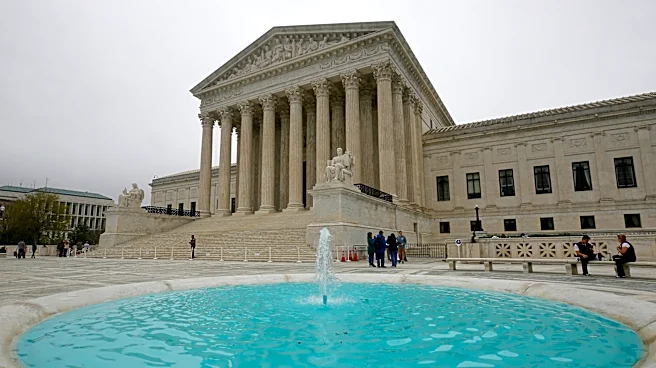
The U.S. Supreme Court has ruled that military contractors can be sued by U.S. troops for injuries sustained in combat zones. This decision came in a 6-3 ruling favoring Winston Henceley, a soldier injured by a Taliban operative at Bagram Airfield. The court
determined that neither federal law nor the Constitution protects military contractors from liability if their negligence results in injuries to soldiers. Justice Clarence Thomas wrote the majority opinion, joined by Justices Sonia Sotomayor, Elena Kagan, Neil M. Gorsuch, Amy Coney Barrett, and Ketanji Brown Jackson. The ruling overturns a previous decision by the 4th Circuit Court, which had dismissed Henceley's lawsuit against Fluor Corporation, the contractor responsible for operations at the base.
Why It's Important?
This ruling is significant as it opens the door for military personnel to seek legal recourse against contractors for negligence, potentially leading to increased accountability in military operations. It challenges the longstanding legal protections that have shielded contractors from such lawsuits, which could have implications for how military contracts are managed and executed. The decision may also influence the behavior of contractors, encouraging them to adhere to stricter safety and operational standards to avoid litigation. This could lead to improved safety for troops in combat zones, but it may also result in increased costs for military operations as contractors adjust to the new legal landscape.
What's Next?
The ruling allows Henceley's lawsuit to proceed, setting a precedent for similar cases. It is likely that other service members who have suffered injuries due to contractor negligence will pursue legal action, potentially leading to a wave of lawsuits. The decision may prompt military contractors to review and possibly revise their operational protocols to mitigate legal risks. Additionally, there could be legislative responses aimed at clarifying the extent of contractor liability in combat zones, as stakeholders assess the broader implications of the court's decision.