






What's Happening?
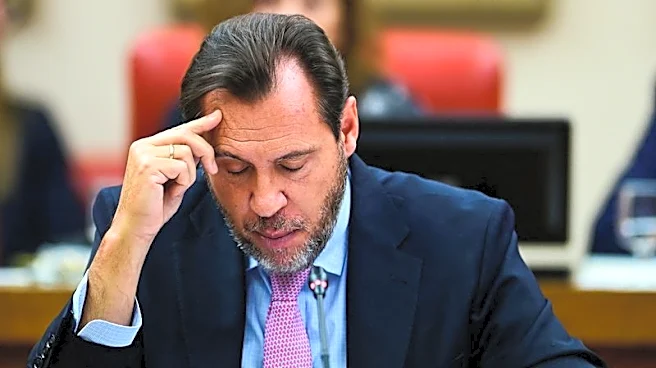
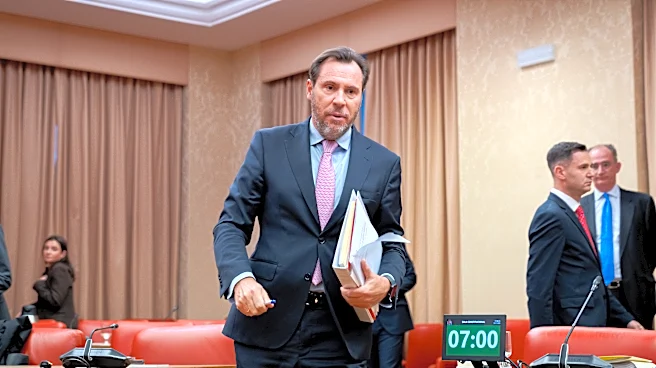
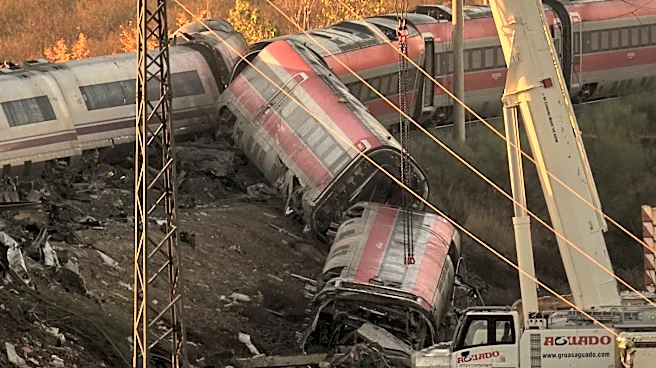
Óscar Puente, Spain's Minister of Transport, has resigned following his appearance before the Congress regarding a fatal railway accident in Urda, which resulted in at least 69 deaths and dozens of injuries. This incident marks the second fatal accident on the same
railway line within nine months. Puente initially resisted calls for his resignation, stating his obligation was to 'face the situation' and that his focus was on clarifying the events. He had previously attributed the Urda accident to human error. However, mounting pressure, including demands for his dismissal from the PP and Vox parties, as well as some government partners like the PNV and Frente Amplio, and the CCOO union, ultimately led to his decision. Puente, known for his controversial social media presence and staunch support for President Pedro Sánchez, stated that a minister cannot continue in office with two accidents of such severity in less than a year, citing 'political dignity, coherence, and political empathy.'
Why It's Important?
The resignation of a high-profile minister due to public pressure following a major infrastructure failure highlights the significant political and social accountability expected in such incidents. While this event occurred in Spain, it offers a critical case study for U.S. public officials and transportation agencies regarding the consequences of safety lapses and the importance of public trust. The repeated accidents on the same line raise questions about infrastructure maintenance, safety protocols, and regulatory oversight, issues that are also pertinent to the U.S. transportation sector. The political fallout, including demands from opposition parties and even government allies, demonstrates the broad impact of such tragedies on political stability and public confidence in government. For U.S. transportation leaders, this underscores the need for rigorous safety standards and transparent accountability mechanisms to prevent similar crises and maintain public confidence.
What's Next?
Puente will remain in his position until his dismissal is finalized. The immediate focus will be on the ongoing investigation into the Urda railway accident to determine its precise causes and identify any systemic failures. This will likely involve a thorough review of railway infrastructure, operational procedures, and personnel training. Politically, President Pedro Sánchez will need to appoint a new Minister of Transport, a decision that could have implications for the stability of his government, especially with upcoming elections. The incident and Puente's resignation are likely to become a significant point of debate in the Spanish political landscape, with opposition parties potentially using it to criticize the government's performance and call for broader reforms in the transportation sector. The public will be closely watching for measures to prevent future accidents and ensure accountability.
Beyond the Headlines
This event transcends a simple ministerial resignation, delving into deeper issues of political culture, public accountability, and the role of social media in modern politics. Puente's controversial use of social media, where he engaged in heated exchanges and even insults, became a double-edged sword; while it made him a prominent figure, it also provided fodder for criticism when crises arose. The incident also brings to light the immense pressure faced by public officials in the wake of tragedies, where the line between operational failure and political responsibility becomes blurred. The emphasis on 'political dignity' and 'empathy' in Puente's resignation statement suggests a recognition of the moral dimension of leadership beyond mere technical competence. This case could serve as a cautionary tale for politicians globally, including in the U.S., about the scrutiny they face and the expectations of accountability in an increasingly interconnected and transparent world.