






What's Happening?
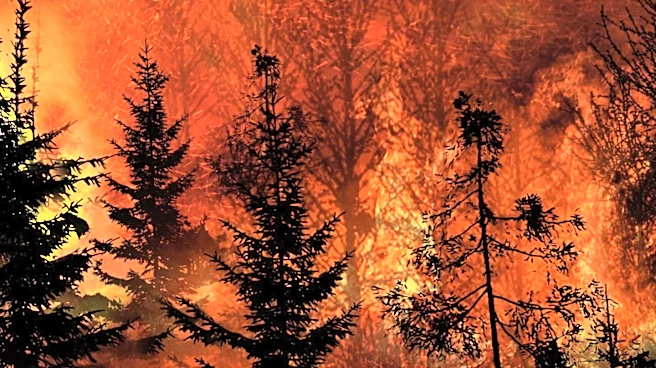
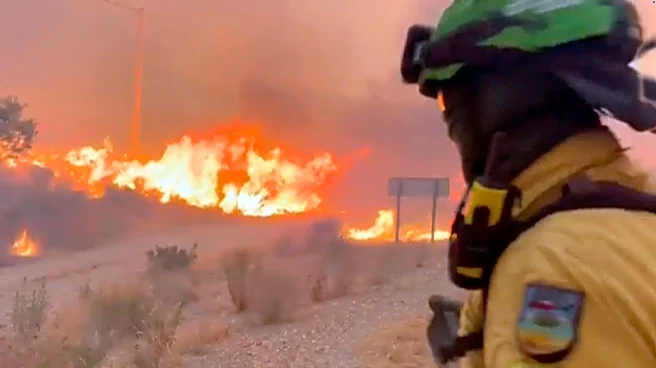
A significant wildfire has erupted in the Fontainebleau Forest near Paris, prompting evacuations and causing disruptions to transportation. The fire broke out late Sunday, leading to the deployment of two water-dumping planes and hundreds of firefighters
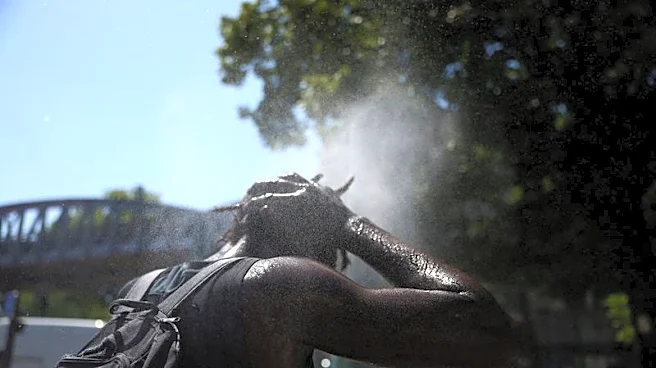
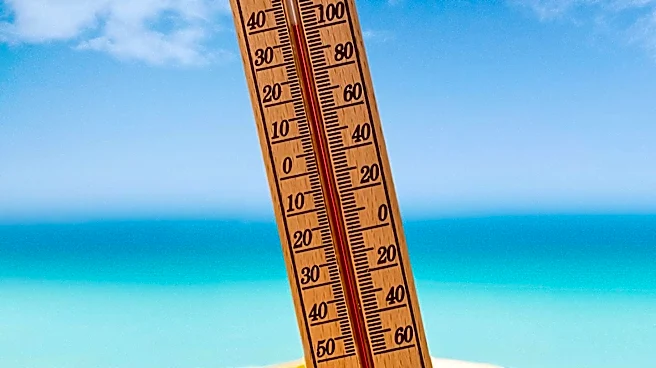
to combat the blaze. The regional fire service spokesperson, Paul Laurain, reported that trains to and from the Gare de Lyon train station were disrupted but were returning to normal by Monday morning. Additionally, a section of the A6 highway was closed due to the fire risk. This incident is part of a series of wildfires affecting western Europe, exacerbated by the region's third heat wave of the summer, with temperatures reaching over 40°C (104°F) in some areas.
Why It's Important?
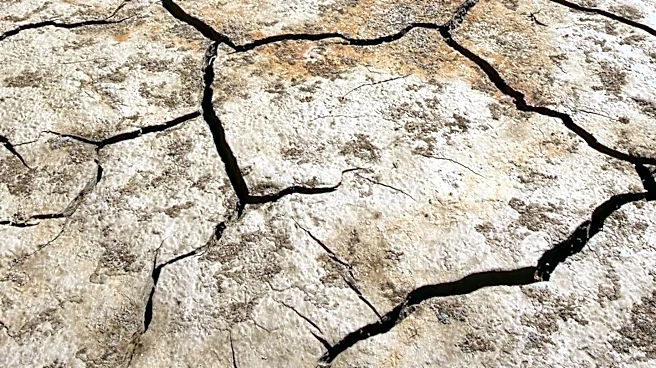
The wildfire in the Fontainebleau Forest highlights the increasing frequency and intensity of climate-related events in Europe, which is warming at twice the global average rate. Such fires not only pose immediate threats to human safety and infrastructure but also strain emergency services and disrupt daily life. The situation underscores the urgent need for effective climate adaptation and mitigation strategies. The disruption of major transportation routes like the Gare de Lyon train station and the A6 highway can have significant economic impacts, affecting commuters and logistics. Furthermore, the ongoing heat waves and fires across Europe serve as a stark reminder of the broader challenges posed by climate change.
What's Next?
As firefighting efforts continue, authorities will likely focus on containing the fire and preventing further damage. The situation may prompt discussions on improving fire management and response strategies in the face of increasingly severe weather conditions. Additionally, there may be calls for enhanced climate action at both national and international levels to address the root causes of such extreme weather events. The impact on transportation and local communities will need to be assessed, and recovery efforts will be crucial in the coming days.
Beyond the Headlines
The recurring heat waves and wildfires in Europe could lead to long-term shifts in public policy and societal behavior. There may be increased investment in renewable energy and sustainable practices to reduce carbon emissions. The events also highlight the importance of international cooperation in addressing climate change, as its effects are felt globally. Culturally, there may be a growing awareness and advocacy for environmental conservation and climate resilience.