


What's Happening?
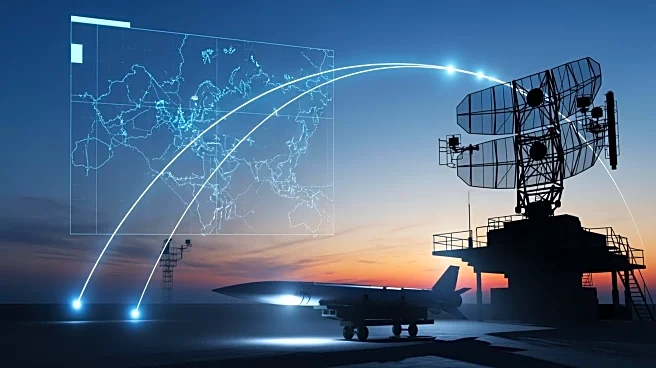
The US military is utilizing the ongoing conflict with Iran as a testing ground for its latest weapons technology. Among the new weapons being deployed are the Precision Strike Missile (PrSM) and one-way attack drones. The PrSM, a short-range ballistic
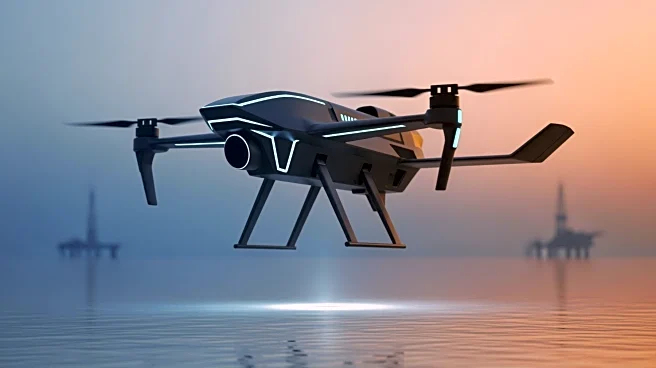
missile, has been used in combat for the first time, demonstrating its deep-strike capability. The US Central Command has also confirmed the use of the Low-Cost Unmanned Combat Attack System (LUCAS), a drone based on an Iranian design, which has been employed in the conflict. These developments mark a significant advancement in the US military's strike capabilities, with the PrSM and LUCAS drones offering greater reach and cost-efficiency.
Why It's Important?
The deployment of new weapons in the Iran conflict highlights the US military's focus on enhancing its strike capabilities and testing experimental technology in real-world combat scenarios. The use of cost-effective drones like LUCAS reflects a strategic shift towards more economical air defense solutions, addressing the cost imbalance of using expensive interceptors against cheaper drones. This approach not only provides valuable operational data but also demonstrates the US's commitment to maintaining a technological edge in military conflicts. The successful deployment of these weapons could influence future military strategies and procurement decisions.
What's Next?
As the conflict continues, the US military is likely to further evaluate the performance of its new weapons systems, potentially leading to refinements and broader deployment in future operations. The insights gained from this conflict could inform the development of next-generation military technology and influence defense policy. Additionally, the use of these weapons may prompt other nations to accelerate their own military advancements, potentially leading to an arms race in the region. The ongoing conflict will continue to serve as a critical testing ground for the US military's evolving capabilities.