
What's Happening?
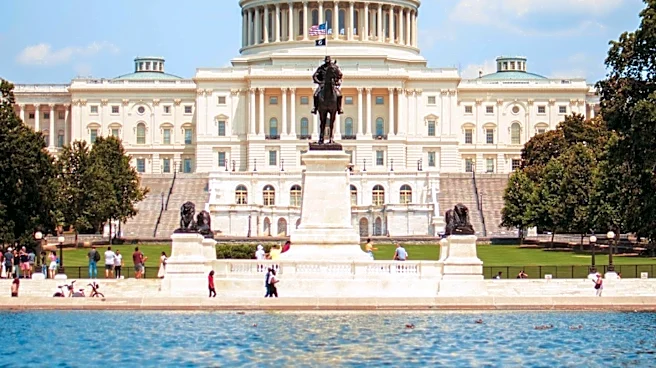
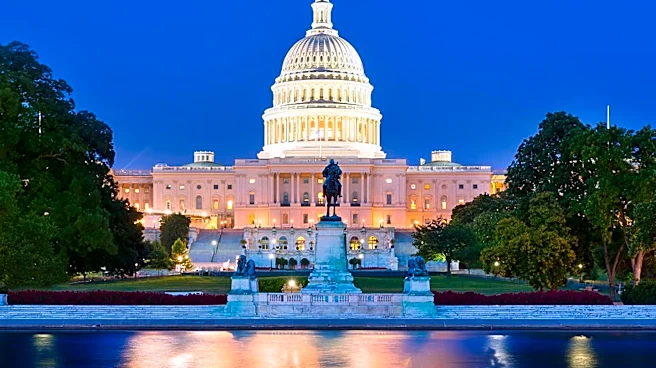
The House of Representatives has delayed action on a Russia sanctions package that previously passed the Senate with bipartisan support. The bill, which targets Russian officials, oligarchs, financial institutions, and their families, has encountered
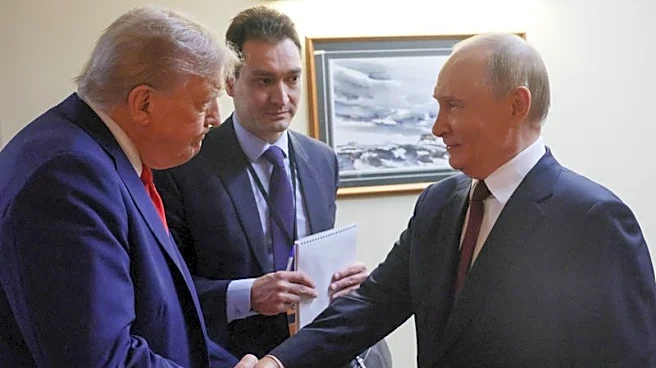
a roadblock in the House due to concerns from some Democrats regarding a provision that would grant President Trump expanded authority to impose targeted tariffs on countries purchasing significant amounts of Russian oil or gas. House Majority Leader Steve Scalise indicated that discussions are ongoing, and a decision on when to bring the bill to a vote has not yet been made. With the House scheduled for only four legislative days before the midterm elections, the likelihood of the sanctions package being addressed before then appears slim, potentially pushing the issue until after the midterms.
Why It's Important?
The delay in passing the Russia sanctions package has significant implications for U.S. foreign policy and its stance on international conflicts. The sanctions are intended to exert economic pressure on Russia in response to its actions, and a prolonged delay could be perceived as a weakening of U.S. resolve or a lack of congressional unity on a critical foreign policy issue. The controversy surrounding the tariff provision highlights a broader tension between the executive and legislative branches over trade authority, particularly with President Trump's past use of tariffs. Democrats' concerns about expanding the President's tariff powers reflect a desire to prevent potential misuse or overreach, while Republicans view it as a necessary tool to achieve foreign policy objectives. The impasse also underscores the challenges of legislating in a politically charged environment, especially with upcoming midterm elections influencing congressional priorities and strategies.
What's Next?
The immediate future for the Russia sanctions package is uncertain, with its consideration likely to be punted until after the midterm elections. House leaders will need to address the concerns raised by Democrats regarding the tariff authority granted to President Trump. This could involve further negotiations to modify the language of the bill or a strategic decision to push for a vote despite the opposition. The Senate, having already passed the package, will likely monitor the House's progress and may exert pressure for its passage. The outcome of the midterm elections could also significantly impact the bill's trajectory, as a shift in congressional power dynamics might alter legislative priorities and the willingness to compromise. Meanwhile, President Trump is actively campaigning with Republicans, focusing on tax cuts and affordability messages, which could further overshadow the sanctions debate in the short term.
Beyond the Headlines
The stalled Russia sanctions package reveals deeper complexities within U.S. foreign policy and domestic politics. The debate over tariff authority touches upon the constitutional balance of power between Congress and the President, particularly in matters of international trade and economic leverage. The bipartisan support for sanctions against Russia in the Senate, contrasted with the House's current hesitation, highlights the differing political calculations and priorities within each chamber. Furthermore, the timing of this legislative delay, coinciding with the midterm election season, underscores how domestic political considerations can influence foreign policy decisions. The broader implications extend to the U.S.'s credibility on the global stage, as allies and adversaries alike observe the consistency and effectiveness of its foreign policy tools. The ongoing conflict and the need for a unified response continue to be a critical backdrop to these congressional deliberations.