







What's Happening?
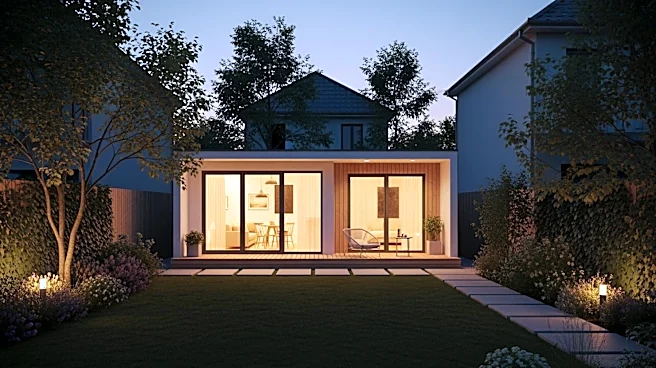
In California, the trend of multigenerational living is driving a significant increase in the construction and sale of accessory dwelling units (ADUs). According to a report by Realtor.com, over 6% of active property listings in 2025 were designed for multigenerational families,
featuring terms like 'granny flat' and 'in-law suite.' This shift is largely attributed to rising housing and childcare costs, prompting families to cohabit. The report highlights that nearly 4 million owner-occupied households in the U.S. are multigenerational, with California cities like Los Angeles and San Diego leading in such listings. These properties, while priced at a premium, are in high demand, reflecting a broader trend towards co-living arrangements.
Why It's Important?
The rise in multigenerational living and the corresponding demand for ADUs have significant implications for the housing market and urban planning in California. This trend addresses economic pressures by allowing families to pool resources, thereby making housing more affordable. It also reflects cultural shifts, particularly among Asian and Hispanic communities, where multigenerational living is more common. The demand for such properties could influence future housing policies and development strategies, potentially leading to more flexible zoning laws and increased support for ADU construction. This trend also highlights the need for housing solutions that accommodate diverse family structures.
What's Next?
As the trend continues, it is likely that more states will consider policies to support the construction of ADUs and other multigenerational housing solutions. This could include streamlined permitting processes and financial incentives for homeowners. Additionally, real estate markets may see a shift in demand towards properties that can accommodate extended families, influencing pricing and availability. Urban planners and policymakers will need to address the challenges and opportunities presented by this trend, ensuring that infrastructure and community services can support the growing number of multigenerational households.