






What's Happening?
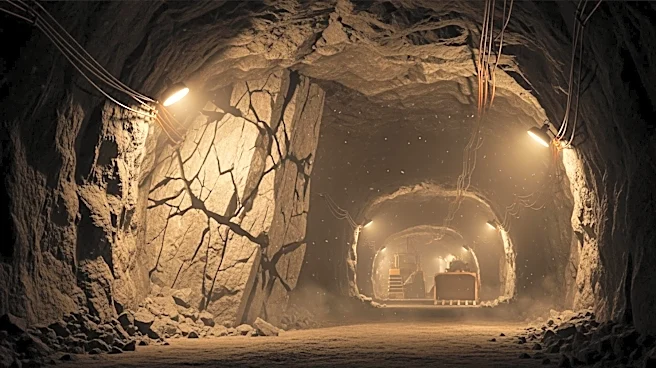
An Australian court has mandated that mining company Fortescue Metals Group pay A$150 million ($108 million) to the Yindjibarndi people for cultural damage caused by its mining operations. The Federal Court ruling, delivered by Judge Stephen Burley, found
that Fortescue's Solomon Hub Project in Western Australia had caused significant harm to the cultural heritage of the Yindjibarndi people. The court determined that 124 heritage sites were completely destroyed, with many others substantially affected. This decision is one of the largest compensations awarded under Australia's native title laws, which recognize Indigenous rights to land.
Why It's Important?
This ruling underscores the growing recognition and enforcement of Indigenous land rights in Australia, setting a significant precedent for future cases. It highlights the legal and financial risks companies face when operating on Indigenous lands without proper consent. The decision may prompt other Indigenous groups to seek similar compensations, potentially leading to increased scrutiny and changes in how mining and other resource extraction companies engage with Indigenous communities. For Fortescue, this ruling could impact its financial standing and operational strategies, as it may need to reassess its engagement practices and compliance with native title laws.
What's Next?
Following the court's decision, Fortescue may consider appealing the ruling, which could prolong the legal process. The company will likely need to engage in discussions with the Yindjibarndi people to address the compensation and explore ways to mitigate further cultural damage. This case may also influence legislative reviews or reforms concerning native title laws in Australia, as stakeholders seek to balance economic development with the protection of Indigenous cultural heritage.