
What's Happening?
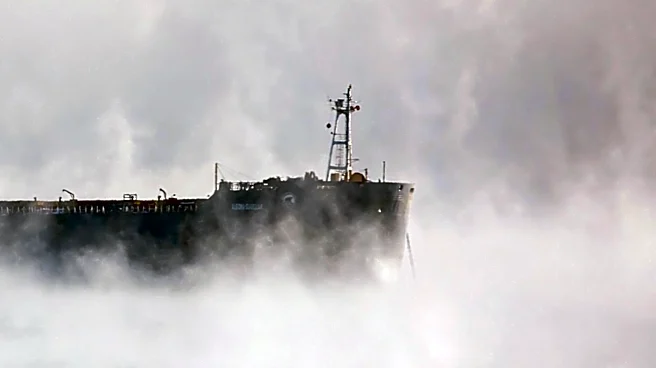
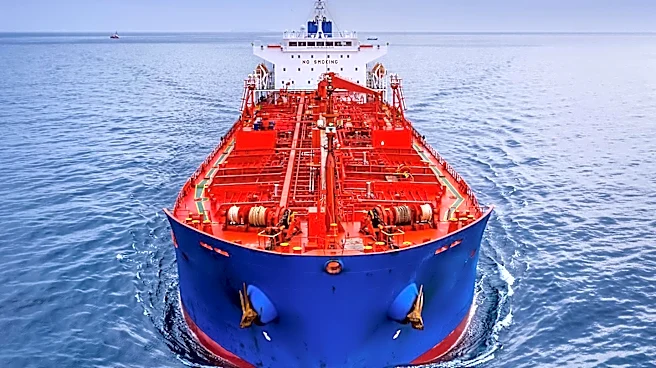
European naval forces have conducted another boarding operation on a tanker linked to Russia's 'shadow fleet' as part of the European Union's ongoing sanctions enforcement efforts. The operation, led by
the Italian Navy's ITS Thaon di Revel, involved a flag-verification boarding of the oil tanker Toa Payoh in international waters near the Italian island of Pantelleria. The tanker, which was under EU sanctions, was sailing under the flag of Cameroon. The inspection aimed to verify the legitimacy of the vessel's flag registration. Despite initial resistance from the vessel's master, the boarding was completed without incident, supported by Greek and Polish military assets. This action is part of a broader EU campaign to enforce sanctions at sea, targeting vessels suspected of using deceptive practices to continue exporting oil despite sanctions.
Why It's Important?
The EU's intensified enforcement actions against Russia's shadow fleet highlight the bloc's commitment to upholding sanctions and maintaining maritime security. These operations are crucial in preventing sanctioned entities from circumventing international restrictions, which could undermine the effectiveness of the sanctions regime. By targeting vessels with questionable flag registrations and ownership structures, the EU aims to disrupt illicit oil exports that support Russia's economy. This enforcement also addresses environmental and safety concerns associated with aging tankers. The EU's actions could influence global maritime practices and encourage other regions to adopt similar measures, potentially leading to increased scrutiny and regulation of international shipping activities.
What's Next?
The EU is expected to continue its maritime enforcement operations, potentially expanding the scope and frequency of inspections. As the EU strengthens its sanctions regime, other countries and international organizations may collaborate to enhance global compliance. The ongoing scrutiny of Russia's shadow fleet could lead to further diplomatic tensions and economic repercussions. Additionally, the EU's actions may prompt shipping companies to reassess their compliance strategies and flag registration practices to avoid sanctions-related disruptions.