






What's Happening?
A local grassroots organization, Friends of Silver Lake, is appealing a decision by the Heritage Preservation Commission (HPC) in Rochester, Minnesota, to approve modifications to the historic Silver Lake Dam. The group contends that the HPC's July 28
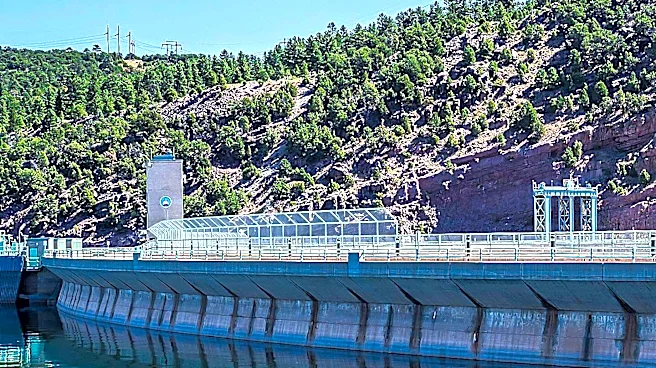
approval of the multimillion-dollar project was based on misinformation and lacked adequate public input. The Silver Lake Dam, constructed in the 1930s, was designated a local landmark in 2023. The proposed modification plan involves replacing the existing concrete structure with a natural series of rock arch rapids and wave pools. This design aims to restore ecological connectivity and facilitate fish migration between the Zumbro River and Silver Lake, alongside a dredging project to enhance water quality. However, the Friends of Silver Lake argue that the project's scope extends beyond a mere 'alteration' of a historic landmark, asserting that it will eliminate approximately five acres of the lake's surface area. They also expressed frustration that the decision was handled as a standard agenda item rather than a public hearing, which prevented citizens from offering comments due to City Council rules. The Rochester City Council is scheduled to review the appeal on Monday, September 9.
Why It's Important?
This appeal highlights a significant conflict between historical preservation, environmental restoration, and public engagement in local governance. The Friends of Silver Lake's concerns about misinformation and lack of public input underscore broader issues regarding transparency and democratic process in urban development projects. The proposed modifications to the Silver Lake Dam, while intended to improve ecological health and water quality, are viewed by the grassroots group as a substantial alteration that could diminish the historical character and physical size of the lake. This situation could set a precedent for how future development projects involving historic landmarks are handled in Rochester, particularly concerning the balance between modernization and preservation. The outcome of the City Council's review will determine the extent to which community voices can influence decisions on projects impacting local heritage and natural resources, potentially influencing public trust and participation in civic matters.
What's Next?
The Rochester City Council is slated to officially review the appeal from the Friends of Silver Lake at its meeting on Monday, September 9. During this review, the grassroots group hopes to gain a formal opportunity for public discourse on the dam's future and present additional information directly to city leadership. City officials have declined to comment on the specifics of the appeal prior to the council's review, citing the matter as an official action pending council consideration. However, Mayor Kim Norton noted that the city and her office have conducted multiple community information and listening sessions regarding the project over several years. The City Council's decision will determine whether the HPC's approval stands, if further public hearings are mandated, or if the project will undergo re-evaluation based on the concerns raised by the Friends of Silver Lake. This decision will be crucial for the future of the Silver Lake Dam and could influence how similar projects are approached in Rochester.
Beyond the Headlines
The dispute over the Silver Lake Dam modifications extends beyond the immediate project, touching upon the evolving definition of 'preservation' in the context of urban development and environmental sustainability. The dam, a local landmark since 2023, represents a tangible link to Rochester's past, with its original construction dating back to the 1930s. The proposed replacement with natural rock arch rapids and wave pools, while aiming for ecological benefits like fish migration and improved water quality, challenges the traditional notion of preserving a structure in its original form. This raises ethical questions about whether 'preservation' can encompass transformative changes that prioritize ecological function over historical aesthetics or structural integrity. The debate also highlights the tension between expert-driven environmental solutions and community-led historical advocacy, underscoring the need for comprehensive public engagement processes that genuinely integrate diverse perspectives on heritage, environment, and urban planning.