




What's Happening?
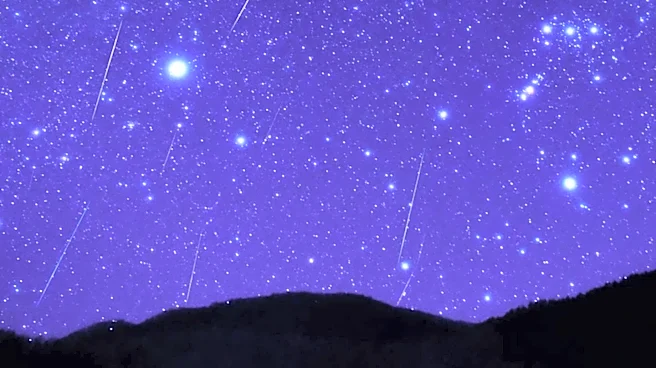
DarkSky International, a non-profit organization, certifies over 200 Dark Sky Places globally, with its International Dark Sky Community designation awarded to towns that implement shielded outdoor lighting and educate residents about light pollution.
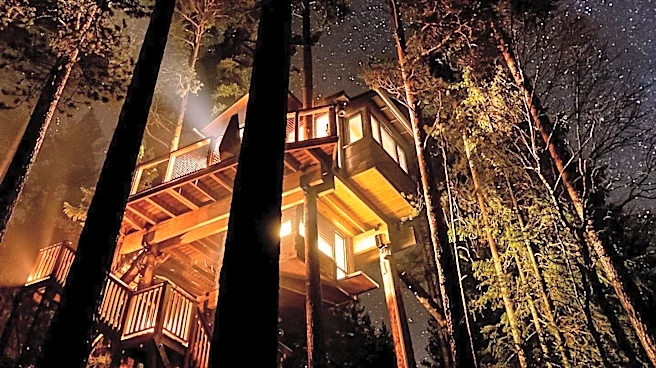
This initiative aims to preserve natural darkness, which is crucial for nocturnal wildlife and human well-being. Thoughtful lighting practices, such as directing light downwards and using warm-colored bulbs, protect ecosystems by maintaining the natural cycle of darkness that many animals rely on for feeding, migration, reproduction, and avoiding predators. These communities offer more than just improved stargazing; they contribute to reduced energy consumption, better conditions for wildlife, and enhanced comfort for residents and visitors. The focus is on low-impact tourism that leverages natural darkness as a resource, supporting local economies through activities like guided walks and astronomy evenings without requiring extensive infrastructure.
Why It's Important?
The movement towards dark-sky communities is important for several reasons, impacting environmental conservation, public health, and local economies. Environmentally, reducing light pollution protects nocturnal wildlife, including insects, birds, bats, and sea turtles, whose behaviors are disrupted by artificial light. This preservation of natural habitats is vital for biodiversity. From a public health perspective, excessive artificial light can negatively affect human sleep patterns and overall well-being. Economically, dark-sky tourism offers a sustainable model for local communities. It generates income for local guides, cafes, farms, and eco-lodges without the need for large, energy-intensive attractions. This approach helps spread tourism beyond peak daytime hours and seasons, providing a more consistent revenue stream and strengthening the local character by protecting rural landscapes. The initiative also promotes energy efficiency through the adoption of shielded, low-level lighting, leading to lower electricity use.
What's Next?
The continued growth of the dark-sky movement is anticipated, with more communities likely to seek certification from DarkSky International. This expansion will involve ongoing efforts to educate residents and local governments about the benefits of reducing light pollution and implementing appropriate lighting solutions. Travelers are encouraged to contribute to these efforts by adopting responsible lighting practices, such as using red-light torches and switching off exterior lights when staying in dark-sky destinations. There will likely be an increase in tourism offerings centered around stargazing and nocturnal experiences, further integrating sustainable practices into the travel industry. Local businesses in these areas can expect to see continued economic benefits from this niche tourism market, potentially leading to more community-led astronomy events and cultural programs that highlight the value of natural darkness.
Beyond the Headlines
Beyond the immediate benefits, the dark-sky movement highlights a broader shift towards valuing and protecting natural resources that are often overlooked, such as darkness. It underscores the ethical responsibility to minimize human impact on natural cycles and ecosystems. The initiative also touches upon the cultural significance of the night sky, which has inspired stories, traditions, and scientific inquiry for millennia. By preserving dark skies, communities are not only protecting wildlife and promoting sustainable tourism but also safeguarding a fundamental aspect of human heritage and connection to the cosmos. This movement encourages a re-evaluation of urban planning and infrastructure development, advocating for designs that harmonize with natural environments rather than disrupting them. It represents a philosophical shift towards a more mindful coexistence with nature, where human activities are consciously adjusted to support ecological balance and human well-being.