

What's Happening?
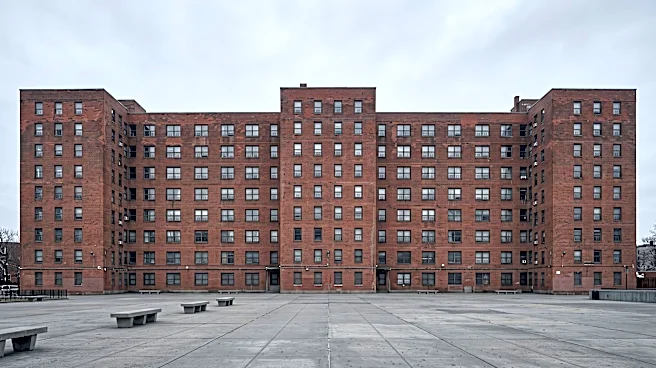
Following a severe assault at the Berry Houses on Staten Island, Congresswoman Nicole Malliotakis, Assemblyman Michael Tannousis, and New York City Councilman David Carr have jointly called for reforms to New York's 'Raise the Age' law. The lawmakers
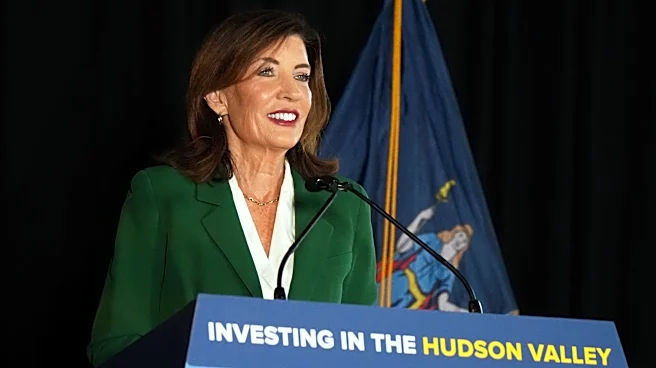
are urging Governor Kathy Hochul and the New York State legislature to re-evaluate the law, which currently prevents the automatic prosecution of 16- and 17-year-olds as adults for felony cases, often diverting them to Family Court. This demand comes after a 14-year-old was arrested and charged in connection with the assault of a delivery woman, where a Family Court Judge set bail significantly lower than the District Attorney's request. Additionally, the officials are pressing the New York City Housing Authority (NYCHA) to expedite the installation of security cameras and improved lighting at the Berry Houses, for which Congresswoman Malliotakis previously secured $1 million in federal funding.
Why It's Important?
This incident and the subsequent call for reform highlight a critical debate surrounding juvenile justice and public safety in New York. The 'Raise the Age' law, enacted in 2017, aimed to provide a more rehabilitative approach for young offenders, but critics argue it may inadvertently embolden criminals and compromise public safety, especially in cases of serious violent crimes. Revisiting this law could have significant implications for the state's criminal justice system, potentially leading to harsher penalties for young offenders and altering the jurisdiction of such cases. The demand for immediate security upgrades at NYCHA properties also underscores the ongoing challenges of ensuring safety in public housing and the allocation of resources for crime prevention. The outcome of these calls for reform could influence how juvenile crimes are prosecuted statewide and impact the sense of security for residents in public housing developments.
What's Next?
The immediate next steps involve Governor Kathy Hochul and the New York State legislature considering the proposed reforms to the 'Raise the Age' law. This could lead to legislative hearings, debates, and potentially amendments to the existing statute, particularly concerning how serious violent offenses committed by minors are handled. Concurrently, NYCHA will face increased pressure to promptly utilize the $1 million in federal funding secured by Congresswoman Malliotakis for security enhancements at the Berry Houses. This includes the installation of CCTV systems and additional lighting. The incident and the lawmakers' response are likely to intensify public discourse on juvenile justice, public safety, and the effectiveness of current policies, potentially influencing upcoming local and state elections. Community groups and advocacy organizations will also likely engage in these discussions, advocating for either the preservation or reform of the 'Raise the Age' law.
Beyond the Headlines
The debate over 'Raise the Age' extends beyond immediate legal ramifications, touching upon fundamental questions about youth accountability, rehabilitation versus punishment, and the societal factors contributing to juvenile crime. The law's original intent was to prevent young people from being exposed to the adult criminal justice system, which can have long-term negative consequences. However, high-profile violent incidents challenge this approach, forcing a re-evaluation of the balance between protecting youth and ensuring public safety. This discussion also highlights the broader issue of systemic inequalities and the effectiveness of social programs in preventing crime. The call for security upgrades in public housing points to the persistent challenges faced by vulnerable communities and the need for comprehensive strategies that combine law enforcement with community development and support services. The ethical dilemma lies in determining the most just and effective way to address juvenile crime while safeguarding the well-being of all community members.