





What's Happening?
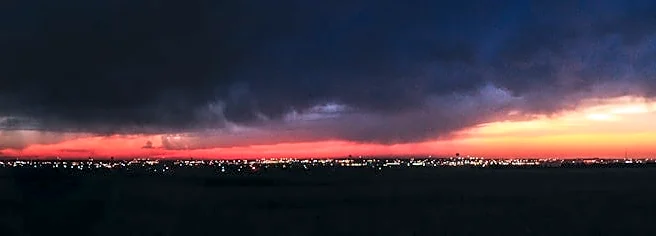
Thousands of residents in the Kansas City metropolitan area lost power on Tuesday night as severe storms, characterized by destructive winds, moved through the region. According to Evergy’s outage maps, the number of affected customers rapidly increased
from just under 20,000 with 327 active outages at 7:41 p.m. to nearly 30,000 customers with 426 active outages just ten minutes later. By 8:06 p.m., the figure rose to 33,367 customers without power and 545 active outages. The peak was reported just before 9 p.m., with 43,804 customers affected across 490 active outages, and by 10:38 p.m., 50,860 customers were without power. The National Weather Service issued a severe thunderstorm warning, including a 'destructive tag' for reported 80 mile per hour winds, and a tornado warning for Clay County, Missouri, which has since expired. A severe thunderstorm watch remained in effect for the entire Kansas City metro until 11 p.m. Tuesday.
Why It's Important?
The widespread power outages in the Kansas City metro highlight the significant vulnerability of urban infrastructure to severe weather events. For thousands of households and businesses, loss of electricity can disrupt daily life, impact essential services, and pose safety risks, especially if heating or cooling systems are compromised. The reported 80 mph winds indicate the intensity of the storms, which can cause substantial property damage, downed trees, and further strain emergency services. The rapid increase in outages within minutes underscores the sudden and severe nature of these weather phenomena, necessitating robust emergency response and utility infrastructure resilience. Economically, prolonged power disruptions can lead to business closures, loss of productivity, and potential financial losses for affected communities. The incident also serves as a reminder of the importance of preparedness for residents in areas prone to severe weather.
What's Next?
Utility crews from Evergy are expected to continue working to restore power to the affected customers across the Kansas City metro area. Given the scale of the outages, restoration efforts may extend over several hours or even days, depending on the extent of the damage to power lines and infrastructure. Residents are advised to monitor local news and Evergy's outage maps for updates on estimated restoration times. Emergency services will likely remain on alert to address any storm-related incidents, such as fallen trees or structural damage. Local authorities may also issue advisories regarding road closures or safety precautions. The incident may prompt discussions among local government and utility providers about enhancing infrastructure resilience and improving communication protocols during severe weather events to minimize future disruptions.
Beyond the Headlines
Beyond the immediate inconvenience, these severe weather events and associated power outages can have deeper societal implications. They often expose disparities in community preparedness and access to resources, as vulnerable populations may struggle more with prolonged disruptions. The 'destructive tag' associated with the severe thunderstorm warning signifies a growing trend of more intense weather phenomena, potentially linked to broader climate patterns, which could necessitate long-term investments in climate-resilient infrastructure. Furthermore, the incident can foster community solidarity, as neighbors often assist each other during crises, but it also highlights the critical role of public utilities and emergency management agencies in maintaining societal function. The experience may also influence local policy-making regarding urban planning, building codes, and emergency response strategies to better mitigate the impacts of future severe storms.