






What's Happening?
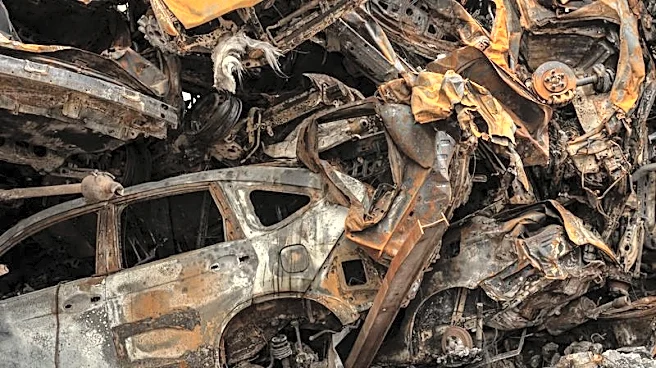
Israeli soldiers have reportedly engaged in widespread looting of civilian property in southern Lebanon, according to a report by Haaretz. The looting includes items such as sofas, televisions, motorcycles, and carpets. Despite awareness of these activities
among commanders, disciplinary actions have been minimal. The removal of military police posts at exit points from southern Lebanon has contributed to the expansion of this phenomenon. Soldiers have stated that even commanders who oppose the practice are not enforcing measures to stop it. The Israeli army claims to take disciplinary and criminal measures when necessary, but the report highlights the absence of checkpoints at certain exits, facilitating the looting.
Why It's Important?
The allegations of looting by Israeli forces in southern Lebanon have significant implications for regional stability and international relations. Such actions could exacerbate tensions between Israel and Lebanon, potentially leading to diplomatic fallout or further conflict. The lack of disciplinary measures may undermine the credibility of the Israeli military and its operations in the region. Additionally, these actions could impact Israel's international standing, as similar accusations have been made regarding its conduct in Gaza. The Euro-Med Human Rights Monitor has documented extensive looting in Gaza, raising concerns about systematic practices by Israeli forces.
What's Next?
The Israeli military may face increased scrutiny from international human rights organizations and governments. Calls for accountability and transparency in military operations could intensify, potentially leading to investigations or sanctions. The situation may also prompt diplomatic discussions between Israel and Lebanon, as well as broader international engagement to address the allegations. The Israeli government might need to reassess its military policies and enforcement mechanisms to prevent further incidents and restore its reputation.
Beyond the Headlines
The looting in southern Lebanon raises ethical questions about military conduct and the protection of civilian property during conflicts. It highlights the challenges of maintaining discipline and accountability within military ranks, especially in volatile regions. The situation also underscores the importance of international oversight and the role of human rights organizations in documenting and addressing such issues. Long-term, these events could influence military policies and practices, emphasizing the need for robust mechanisms to prevent and address misconduct.