






What's Happening?
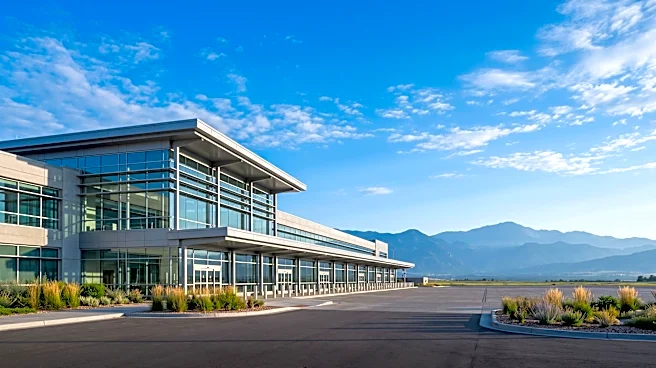
The Colorado Springs Airport (COS) is undergoing significant safety enhancements and terminal modernization, supported by a $7.5 million federal grant. This funding is part of a broader initiative to upgrade airport infrastructure. The improvements at COS are
focused on ensuring the safety of operations and enhancing the overall passenger experience through modernizing terminal facilities. This development is crucial for the airport, which serves as a key transportation hub for the Colorado Springs area. The ongoing projects aim to address current infrastructure needs and prepare the airport for future growth and increased air traffic. The federal grant underscores a commitment to improving regional air travel capabilities and maintaining high safety standards.
Why It's Important?
This federal grant is important for several reasons. Firstly, it directly addresses critical infrastructure needs at the Colorado Springs Airport, ensuring that the facility can continue to operate safely and efficiently. Modernized terminals and enhanced safety measures are vital for accommodating the growing number of passengers and flights, which in turn supports regional economic development by facilitating business and tourism. For the local community, these improvements mean a more pleasant and reliable travel experience. Furthermore, the investment in airport infrastructure can create jobs and stimulate economic activity in the construction and related sectors. The grant also highlights the federal government's role in supporting local and regional transportation networks, recognizing their importance to national connectivity and economic stability. Without such funding, smaller regional airports might struggle to keep pace with technological advancements and increasing operational demands.
What's Next?
The Colorado Springs Airport will proceed with the planned safety enhancements and terminal modernization projects. The $7.5 million federal grant will be allocated to specific areas of these projects, likely involving upgrades to runways, taxiways, and passenger processing areas, as well as improvements in security and accessibility. The airport management will oversee the implementation of these projects, ensuring they adhere to federal guidelines and timelines. There may be temporary disruptions to airport operations as construction progresses, but these are typically managed to minimize impact on travelers. Future developments could include further applications for federal or state funding to continue long-term infrastructure development, as well as potential expansions of services or routes as the modernized facilities become fully operational. The success of these projects could also serve as a model for other regional airports seeking similar federal support.
Beyond the Headlines
Beyond the immediate upgrades, this federal grant for the Colorado Springs Airport signifies a broader trend in U.S. infrastructure investment. It reflects a national recognition of the importance of regional airports not just as travel hubs, but as critical components of local economies and national transportation resilience. The modernization efforts at COS could lead to increased competition among airlines, potentially resulting in more diverse flight options and competitive pricing for consumers. Environmentally, modernizing airport infrastructure often includes incorporating more sustainable practices and technologies, which could reduce the airport's carbon footprint in the long run. Socially, an improved airport can enhance the quality of life for residents by offering better connectivity and convenience, while also boosting the region's appeal for businesses and new residents. This investment is not just about concrete and steel; it's about fostering growth, connectivity, and sustainability for the entire region.