




What's Happening?
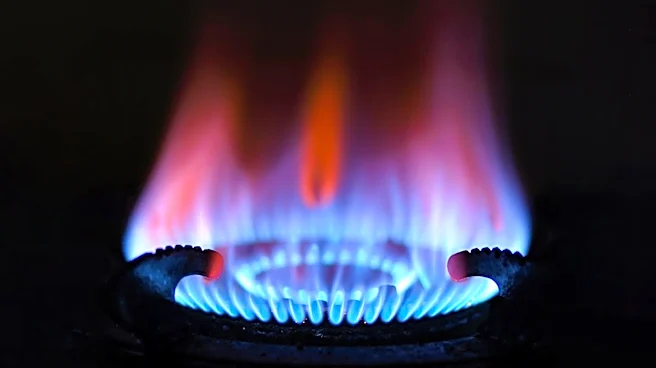
The Alaska Legislature has commenced its third special session of 2026, focusing on the proposed trans-Alaska natural gas pipeline. Governor Mike Dunleavy called the session after a compromise bill failed, which included a controversial corporate income
tax on certain oil and gas companies. The session began without a new bill, as Dunleavy continues negotiations. The pipeline's developer, Glenfarne, insists on a reduction in the state's petroleum property tax to secure financing. The session's outcome remains uncertain, with legislative action stalled until a new proposal is introduced.
Why It's Important?
The special session underscores the challenges in advancing major infrastructure projects like the trans-Alaska gas pipeline. The legislative deadlock highlights the complexities of balancing economic development with fiscal policy, particularly in resource-rich states like Alaska. The outcome of these negotiations could have significant implications for the state's economy, affecting tax revenues and the viability of future energy projects. The session also reflects broader debates on how to effectively manage natural resources while ensuring fair taxation of corporate entities.
What's Next?
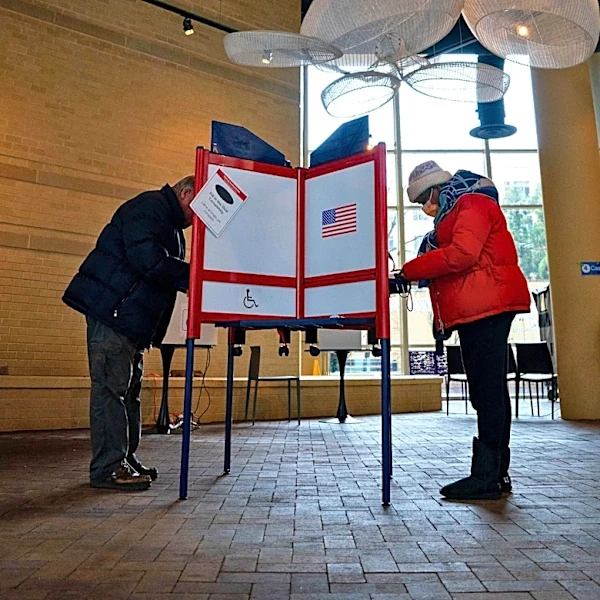
As negotiations continue, the Alaska Legislature faces pressure to reach a consensus before the upcoming elections. The introduction of a new bill could reignite discussions and potentially lead to a resolution. However, the ongoing stalemate and approaching elections may hinder progress. The session's outcome will likely influence future legislative priorities and the state's approach to managing its natural resources.