





What's Happening?
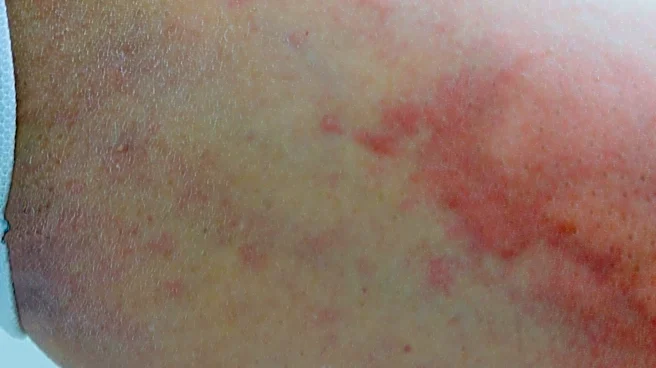
Johnson County, Kansas, is experiencing a significant increase in cases of Cyclosporiasis, a parasitic stomach illness. As of the latest reports, the county has confirmed 143 cases, which constitutes about a third of the total cases in Kansas. The illness,
caused by the Cyclospora parasite, is part of a larger multistate outbreak affecting over 6,700 people across the United States. Dr. Dana Hawkinson, an infectious disease specialist at KU Health System, has expressed concern over the outbreak's scale, noting that the county's public health infrastructure is struggling to keep up. The outbreak is exacerbated by reduced public health staffing and investments, a situation worsened by the COVID-19 pandemic. The Centers for Disease Control and Prevention (CDC) has not linked any deaths to this outbreak, but the illness can cause severe symptoms such as diarrhea and dehydration.
Why It's Important?
The growing number of Cyclosporiasis cases in Johnson County highlights the vulnerabilities in the public health system, particularly in the wake of the COVID-19 pandemic. The outbreak underscores the need for robust public health infrastructure to effectively manage and contain such health crises. The situation poses a risk to public health and safety, as the illness can lead to severe dehydration and other complications if not properly managed. The outbreak also has economic implications, as it may affect local businesses, particularly those in the food industry, if the source of the contamination is linked to local produce or food establishments. The need for effective tracking and containment measures is critical to prevent further spread and protect public health.
What's Next?
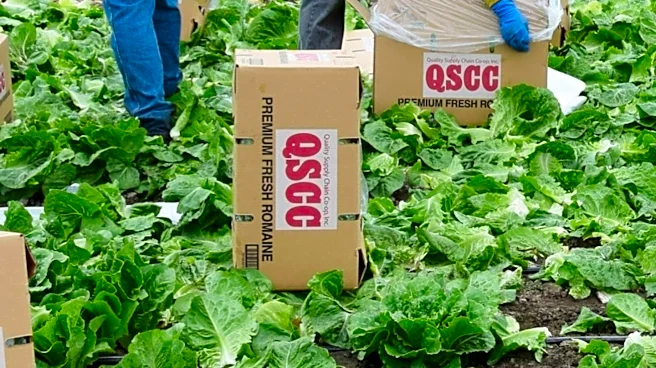
Efforts to identify and remove contaminated produce from the food supply chain are ongoing. Public health officials are urging residents to stay informed about potential exposure risks and to avoid foods identified as sources of the parasite. The outbreak has prompted discussions about the importance of investing in public health infrastructure to better prepare for and respond to such crises. Legal actions may also arise, as seen with a Kansas woman planning to sue a fast-food chain after allegedly contracting the illness. Continued monitoring and investigation by health authorities are essential to control the outbreak and prevent future occurrences.