







What's Happening?
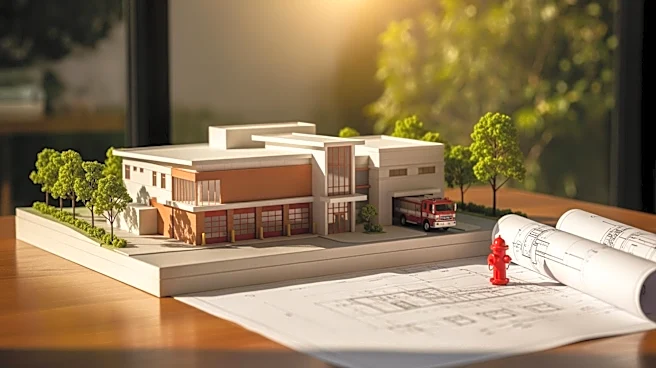
The Castle Rock Fire and Rescue Department in Douglas County, Colorado, is set to break ground on a new fire station, Station 156, to accommodate the rapid growth in the area. The new facility will be located in the northeast part of Castle Rock and will serve
the expanding subdivisions of Cobblestone Ranch and Terrain. The station will include a 13,000-square-foot fire station and a logistics center of the same size. Fire Chief Norris Croom highlighted the significant growth in the community, noting that the population has increased from 7,500 to approximately 87,000 over the past 40 years. The department, which started with two stations, will now have six. The new station aims to reduce response times, which currently can be as long as 14 to 15 minutes, by more than half. The project is funded by a combination of TABOR timeout dollars, a general fund loan, capital impact fees, and certificates of participation.
Why It's Important?
The construction of the new fire station is crucial for improving emergency response times in the rapidly growing Castle Rock area. As the population increases, the demand for efficient emergency services becomes more pressing. The new station will enhance the fire department's ability to respond to incidents more quickly, potentially saving lives and property. Additionally, the logistics center will centralize equipment storage and maintenance, improving operational efficiency. This development reflects the broader challenges faced by growing communities in ensuring that infrastructure and public services keep pace with population growth. The funding model, which includes voter-approved measures, demonstrates community support for enhancing public safety resources.
What's Next?
The groundbreaking for Station 156 is scheduled for next week, with the facility expected to be operational by 2027. The department will need to hire 12 additional firefighters to staff the new station, with funding for these positions secured through a ballot measure passed by Castle Rock voters in 2024. As the community continues to expand, further investments in public safety infrastructure may be necessary to maintain service levels. The successful implementation of this project could serve as a model for other growing communities facing similar challenges.