





What's Happening?
Mexico is implementing various energy efficiency initiatives across its public services, including schools and water utilities, to reduce operational costs and enhance service quality. These efforts are supported by technical assessments and energy audits,
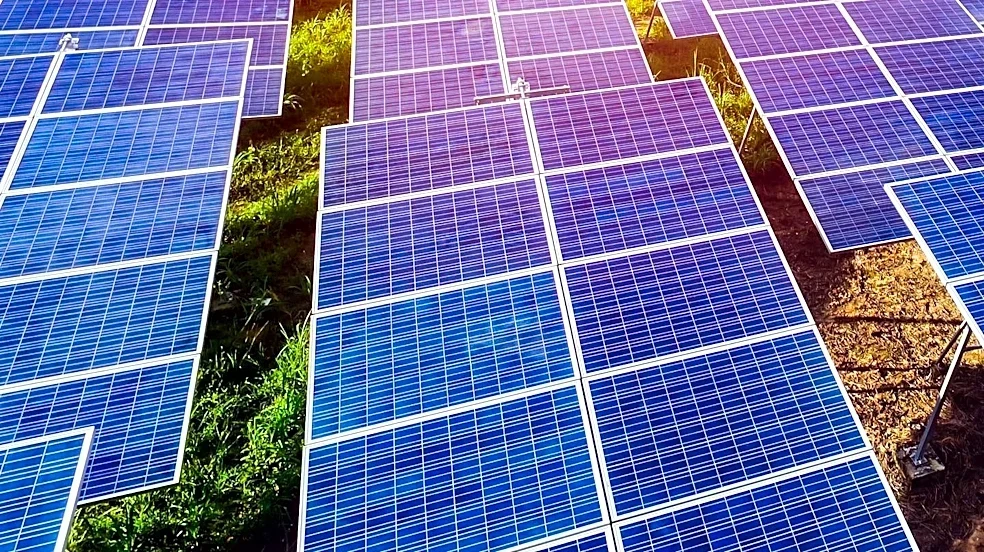
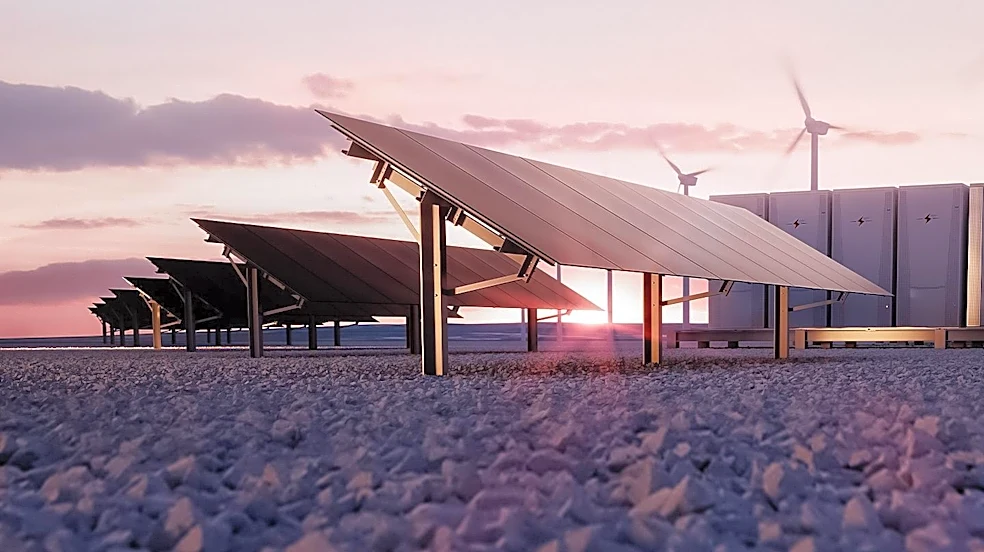
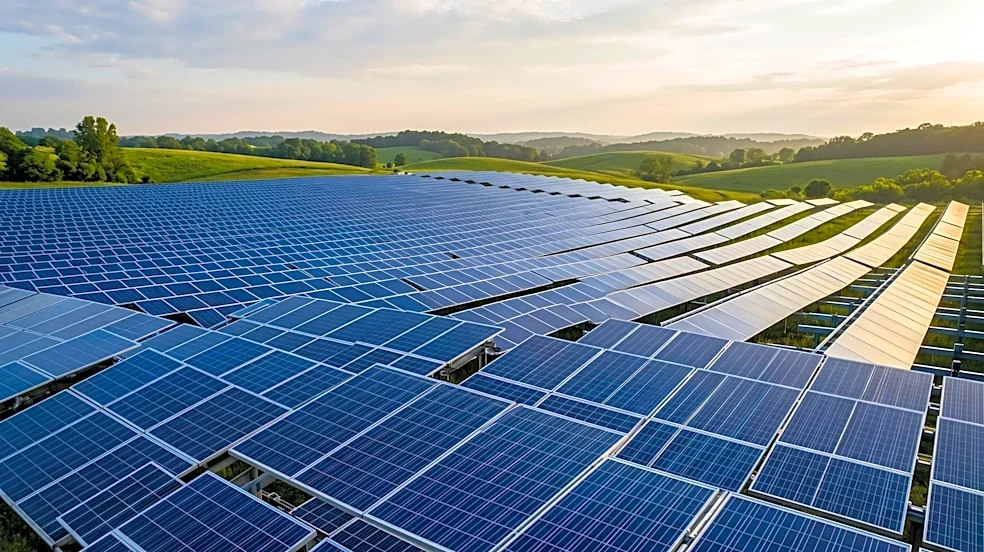
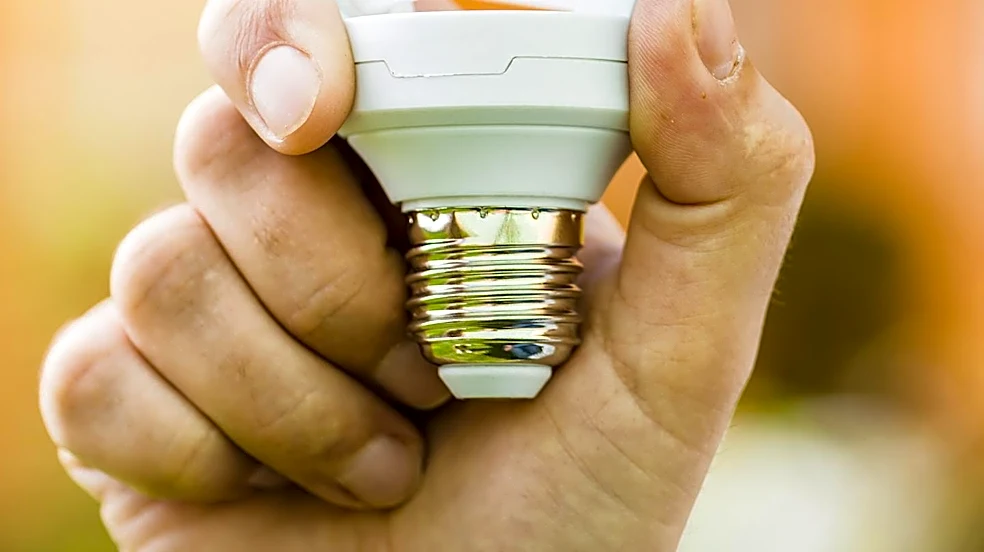
which have identified numerous potential energy-saving projects. For instance, 17 energy audits were completed across Mexico, covering 15 water utilities and major aqueduct operators, identifying 1,323 potential energy-efficiency projects with estimated annual savings of approximately US$10.6 million. In schools, measures such as energy-efficient lighting, air-conditioning upgrades, thermal insulation, and distributed solar generation are being deployed, with pilot programs like 'Sun Goes to School' already showing positive results in Campeche and expanding to other states.
Why It's Important?
These energy efficiency measures are crucial for Mexico's public institutions, which face increasing pressure to deliver better services, manage limited budgets, and advance climate goals. By reducing energy consumption, public funds can be reallocated to core services like education and water infrastructure, directly benefiting citizens. For water utilities, where electricity is a major operating expense, efficiency improvements can significantly lower costs and improve operational performance. The initiatives also contribute to Mexico's broader climate objectives by reducing reliance on imported fuels and lowering carbon emissions. This strategic focus on energy efficiency demonstrates a commitment to sustainable development and fiscal responsibility within the public sector.
What's Next?
Several water utility operators have already begun financing lower-cost, high-impact energy efficiency measures with their own resources, and further recommendations are being considered for future investment programs. The Ministry of Energy continues to support the deployment of energy-efficiency measures in schools, with initiatives expanding to Oaxaca, Chiapas, and Guerrero. The success of these programs is expected to encourage broader adoption of energy-efficient practices across other public services and territories in Mexico. The ongoing collaboration with organizations like the National Association of Water and Sanitation Entities and the Inter-American Development Bank (IDB) will be vital in scaling these efforts and ensuring long-term sustainability.
Beyond the Headlines
Beyond the immediate cost savings and service improvements, Mexico's commitment to energy efficiency in public services signifies a deeper shift towards a more sustainable and resilient national infrastructure. This approach not only addresses economic and environmental challenges but also fosters a culture of efficiency and innovation within government institutions. The integration of renewable energy sources, such as distributed solar generation in schools, serves as a practical demonstration of sustainable practices, potentially inspiring broader public engagement and private sector investment in green technologies. This long-term vision positions Mexico as a leader in the region for integrating energy efficiency into its national development strategy, contributing to both economic stability and environmental protection.