








What's Happening?
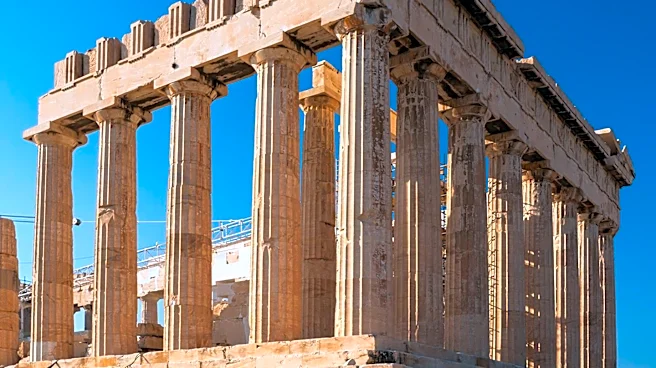
Extreme heatwaves in Athens, Greece, are causing the Acropolis to close during the hottest afternoon hours, a measure implemented in recent summers and expected to continue. Visitors are advised to verify the site's operating status before planning their
visit and to have alternative plans, such as visiting the Acropolis Museum. The intense heat also necessitates planning outdoor activities during cooler parts of the day and ensuring adequate hydration. A study analyzing 6,500 online reviews of cultural heritage sites in southern Europe, including the Acropolis, revealed that on hotter days, tourists frequently mentioned discomfort due to heat and a need for shade and drinking water. Dr. Andreas Flouris, Professor of Physiology at the University of Thessaly, emphasizes that visitor care should extend throughout their stay, ensuring comfort and safety from heat. This includes providing clear information, access to water, and shaded resting areas.
Why It's Important?
The recurring closures of the Acropolis due to heatwaves highlight a significant challenge for Greece's tourism industry, a vital sector of its economy. As climate change leads to more frequent and intense heat events, popular tourist destinations like Athens face operational disruptions that can deter visitors and impact revenue. The need for increased infrastructure, such as shaded areas and water refill stations, becomes critical for maintaining visitor satisfaction and safety. This situation also underscores a broader trend where climate conditions directly influence the accessibility and enjoyment of cultural heritage sites globally. For tourists, particularly those from cooler climates, the health risks associated with extreme heat necessitate careful planning and awareness, potentially altering travel patterns and preferences towards destinations better equipped to handle such conditions or during cooler seasons.
What's Next?
In response to ongoing heat challenges, Greece's tourism sector is expected to further adapt its hospitality offerings. This will likely include more proactive measures such as enhanced guidance on optimal visiting times for archaeological sites, increased availability of drinking water, and the development of more shaded resting areas. There may also be a push for greater flexibility in tour scheduling to accommodate sudden changes in weather conditions. Cooperation between tourism businesses and local authorities will be crucial for implementing these changes, alongside training staff to recognize and respond to heat-related health issues. Visitors should anticipate continued advisories regarding heat safety and potential site closures, making flexible itineraries and pre-visit checks essential for a smooth experience.
Beyond the Headlines
The impact of heatwaves on the Acropolis extends beyond immediate closures, signaling a long-term shift in how cultural tourism operates in regions vulnerable to climate change. This situation raises ethical considerations about preserving ancient sites while ensuring visitor safety and comfort in increasingly harsh environmental conditions. It also prompts a re-evaluation of sustainable tourism practices, encouraging destinations to invest in climate-resilient infrastructure and visitor management strategies. The experience at the Acropolis could serve as a case study for other historical sites worldwide facing similar environmental pressures, driving innovation in visitor experience design that integrates climate adaptation. Ultimately, it highlights the interconnectedness of climate, culture, and economy, urging a holistic approach to managing heritage in a warming world.