





What's Happening?
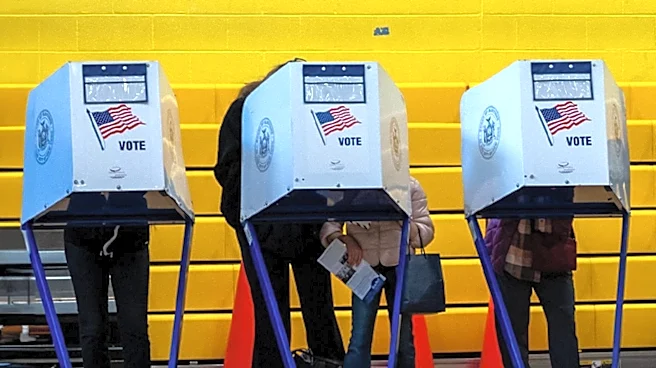
Nevada Governor Joe Lombardo's efforts to place two key initiatives on the 2026 statewide ballot have been unsuccessful. One initiative, supported by the Protect Girls’ Sports PAC, aimed to amend the state constitution to ban transgender girls from competing
in sports divisions aligning with their gender identity. This measure faced a legal challenge from the National Organization for Women (NOW). Although a judge ruled in the PAC's favor in mid-June, the ruling came too close to the signature submission deadline, making it impossible to complete the process in time for the 2026 ballot. Governor Lombardo acknowledged that legal delays and uncertainty prevented the initiative from moving forward. The second initiative, proposed by Freedom to Try Medical Innovations for Nevada, sought to establish Nevada as a safe haven for medical treatments not approved by the U.S. Food and Drug Administration (FDA). This group also failed to submit the required signatures by the deadline, according to the Nevada Secretary of State website. Both groups are reportedly continuing their advocacy outside of the direct democracy process, with Lombardo indicating he will call on the Legislature to address the sports issue next year.
Why It's Important?
The failure of these initiatives to reach the ballot has significant implications for policy and public discourse in Nevada. The 'Protect Girls’ Sports' initiative reflects a broader national debate on transgender athletes' participation in sports, an issue that has seen varying legislative and judicial outcomes across states. Its inability to qualify for the ballot means that Nevada voters will not directly decide on this contentious social issue in 2026, potentially shifting the battleground to the state legislature. The 'Freedom to Try Medical Innovations' initiative highlights ongoing tensions between state-level autonomy and federal regulatory authority, particularly concerning healthcare and medical treatments. Had it qualified, it could have positioned Nevada as a unique hub for experimental therapies, potentially attracting both patients and medical innovators but also raising questions about patient safety and regulatory oversight. The challenges faced by these initiatives, including legal hurdles and signature gathering difficulties, underscore the complexities and financial burdens associated with direct democracy processes, suggesting that well-funded and legally robust campaigns are often necessary for ballot measure success.
What's Next?
With the ballot initiatives failing to qualify, the focus for these issues will likely shift to the Nevada Legislature. Governor Lombardo has stated his intention to call on the Legislature to take action on the 'Protect Girls’ Sports' issue early next year, indicating a potential legislative push to enact similar restrictions. This could lead to a renewed legislative debate and potential partisan clashes over transgender rights and sports policy. The proponents of the 'Freedom to Try Medical Innovations' initiative are also continuing their efforts outside the direct ballot process, suggesting they may seek legislative avenues or other forms of advocacy to advance their goals. The upcoming legislative session will be a critical period for these issues, as lawmakers will face pressure from various interest groups to either introduce new legislation or oppose measures that failed to gain public ballot access. The outcomes will depend on the political climate, public opinion, and the ability of advocates to garner legislative support.
Beyond the Headlines
The challenges faced by these ballot initiatives reveal deeper systemic issues within the direct democracy process in Nevada and potentially other states. The high costs associated with signature gathering and legal defenses often create a barrier for grassroots movements, effectively favoring well-funded political action committees or established organizations. This raises questions about the accessibility and fairness of the initiative process, and whether it truly reflects the will of the people or is disproportionately influenced by financial resources. The public's increasing paranoia regarding personal information, as noted by advocates struggling to collect physical signatures, also points to a growing distrust in political processes and data security. This sentiment could further complicate future direct democracy efforts, potentially necessitating reforms to allow for secure digital signature collection. Ultimately, the struggles of these initiatives highlight the ongoing tension between direct citizen participation and the practical realities of political campaigning and legal challenges, suggesting a need for reevaluation of how ballot measures are brought before voters.