






What's Happening?
Burmese pythons, introduced to Florida's Everglades primarily through the exotic pet trade, have established a breeding population and are causing significant declines in native mammal populations. Since the mid-1980s, these invasive snakes have spread
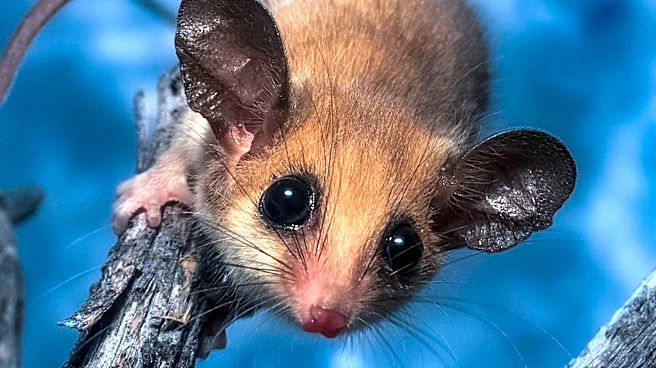
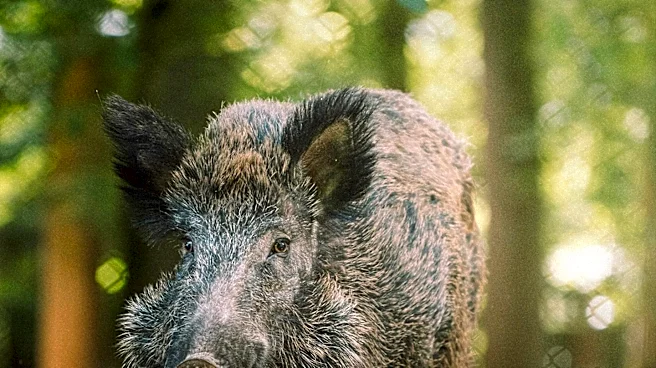
throughout large parts of the Everglades. A study based on over 35,000 miles of surveys, reported by the American Association for the Advancement of Science (AAAS), revealed dramatic decreases in mammal sightings since the late 1990s. Raccoons have fallen by 99.3%, opossums by 98.9%, and bobcats by 87.5%. Rabbits have virtually disappeared from some surveyed areas. These declines are most severe in areas where pythons have been established the longest, indicating a direct correlation between the snakes' presence and the reduction in native wildlife. The pythons are opportunistic hunters, consuming a wide range of mammals, birds, and reptiles, and native species have little evolutionary defense against them.
Why It's Important?
The ecological impact of Burmese pythons in the Everglades represents a critical environmental crisis in the U.S. The drastic reduction in native mammal populations disrupts the delicate balance of the ecosystem, potentially leading to cascading effects throughout the food web. Mammals like raccoons and opossums play vital roles as prey for other native predators and as seed dispersers, and their disappearance can alter vegetation patterns and nutrient cycling. This situation highlights the severe consequences of invasive species on biodiversity and ecosystem health, posing a significant challenge for conservation efforts. The cost and complexity of managing such a widespread invasive predator also place a substantial burden on state and federal resources, diverting funds and attention from other conservation priorities.
What's Next?
Efforts to control the Burmese python population in the Everglades are ongoing, involving organized searches, trapping, and public programs to encourage removal. However, the sheer scale of the invaded landscape and the snakes' elusive nature make eradication extremely difficult. Scientists will continue to monitor the ecological impacts and study the pythons' behavior to develop more effective management strategies. Research may focus on new detection methods, biological controls, or habitat manipulation to limit their spread. Public awareness campaigns will likely persist to discourage the release of exotic pets into the wild, aiming to prevent similar invasive species crises in the future. The long-term outlook for the Everglades' native mammal populations remains uncertain, with continued pressure from the established python population.
Beyond the Headlines
The Burmese python invasion in the Everglades serves as a stark example of the global issue of invasive species and the interconnectedness of ecosystems. It underscores the ethical responsibility associated with the exotic pet trade and the potential for human actions to cause irreversible environmental damage. The situation also raises questions about the resilience of natural systems in the face of novel threats and the limitations of human intervention once an invasive species becomes established. Beyond the immediate ecological concerns, the loss of iconic wildlife can diminish the cultural and recreational value of national parks and wilderness areas, impacting tourism and local economies. This ongoing struggle in the Everglades offers valuable lessons for conservationists worldwide on prevention, early detection, and adaptive management strategies for invasive species.