





What's Happening?
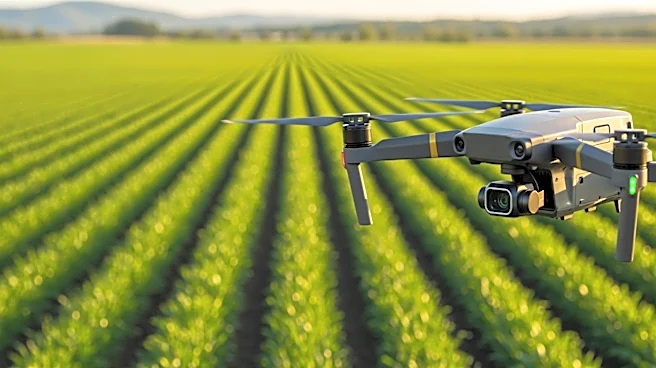
The Haitian Development Network Foundation (HDN) has announced a new initiative to implement precision agriculture across Haiti, with pilot programs set to begin in key regions later this year. This initiative, unveiled on Haiti's Agriculture and Labor
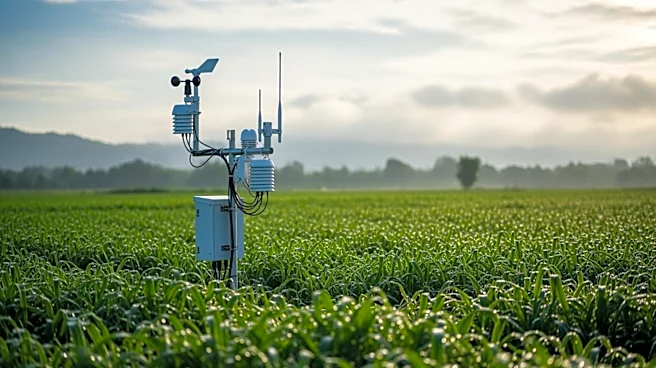
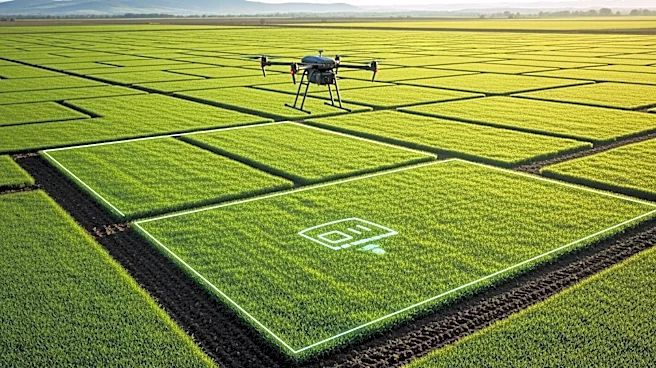
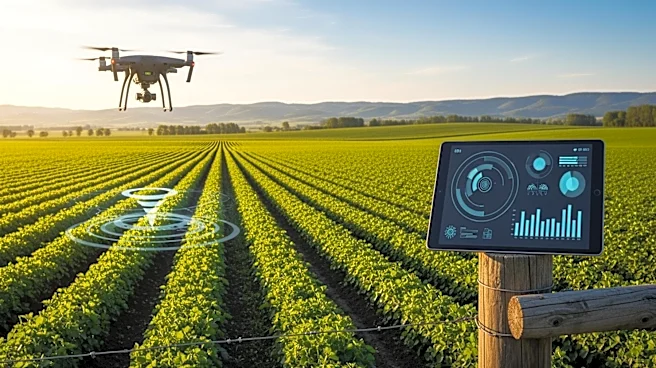
Day, aims to enhance farming productivity and sustainability by equipping farmers with modern technology such as soil sensors, satellite imagery, and targeted irrigation systems. The program is designed to address challenges related to food security, climate change, and limited agricultural infrastructure. HDN's leadership, including CEO Jacques Jonassaint and Chief Scientist Dr. Gilbert St Jean, emphasizes the potential of precision agriculture to transform Haiti's agricultural sector and improve economic opportunities for rural communities.
Why It's Important?
This initiative represents a significant step towards modernizing Haiti's agricultural practices, which could lead to increased crop yields and resource efficiency. By adopting precision agriculture, Haiti aims to improve food security and create economic opportunities, addressing the country's growing food demand and environmental challenges. The program's focus on farmer training and local capacity building is crucial for ensuring the long-term success and sustainability of these efforts. As Haiti faces climate-related pressures and limited infrastructure, this initiative could serve as a model for other developing nations seeking to enhance their agricultural productivity.
What's Next?
The success of the pilot programs will be critical in determining the broader implementation of precision agriculture across Haiti. HDN plans to collaborate with technology and agriculture partners to support these efforts. The initiative's progress will likely be monitored by stakeholders in the agricultural and development sectors, as it could influence future policies and investments in similar projects. The emphasis on training and capacity building suggests a long-term commitment to transforming Haiti's agricultural landscape, potentially leading to broader economic and social benefits.