






What's Happening?
The longstanding U.S. economic aid to Israel, amounting to $3.8 billion annually, is under scrutiny as calls to end the aid grow from both American and Israeli voices. This aid, established during President Barack Obama's tenure, includes $3.3 billion for
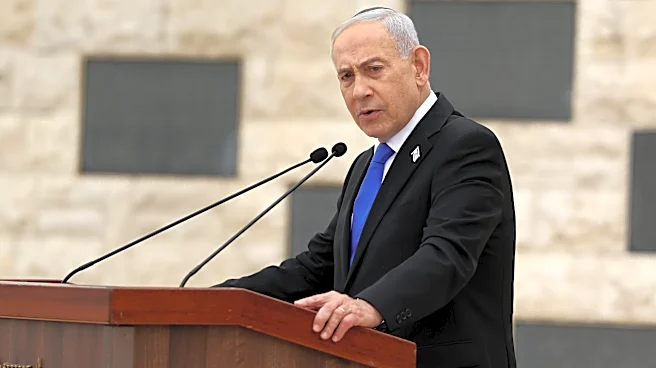
Israel's needs and $500 million for joint missile defense development. The debate is fueled by Israel's controversial status in U.S. politics, with figures like Israeli Prime Minister Benjamin Netanyahu and potential Democratic presidential candidate Rahm Emanuel suggesting that Israel should become financially independent from U.S. aid. Netanyahu argues that Israel's economic strength negates the need for aid, while Emanuel believes ending aid could reduce opposition to Israel among Democrats and globally.
Why It's Important?
The discussion around U.S. aid to Israel is significant as it reflects broader geopolitical and domestic political dynamics. For Israel, the aid represents a critical component of its security strategy, but also a point of dependency on U.S. policy decisions. For the U.S., the aid is a tool of influence over Israeli policy, particularly regarding peace processes and regional stability. The potential cessation of aid could alter the strategic relationship between the two countries, impacting military cooperation and diplomatic leverage. Domestically, the debate highlights divisions within U.S. political parties and among American voters regarding foreign policy priorities and fiscal responsibility.
What's Next?
As the debate continues, both countries may need to explore alternative frameworks for their relationship, focusing on strategic partnerships and cooperation agreements rather than financial aid. This shift could redefine how the U.S. and Israel collaborate on security and technological initiatives. In the U.S., the issue may become a focal point in upcoming election campaigns, influencing voter perceptions and party platforms. For Israel, the challenge will be to maintain its security and technological edge while navigating a potentially reduced financial support landscape.