


What's Happening?
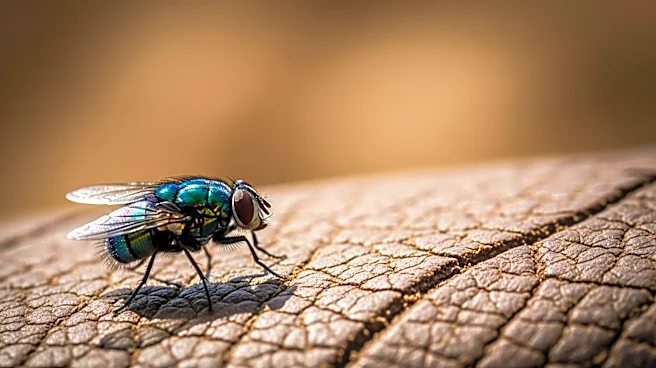
The Kansas Department of Agriculture (KDA) is actively responding to the threat of the New World screwworm (NWS) following its detection in a calf in Zavala County, Texas. The U.S. Department of Agriculture’s Animal and Plant Health Inspection Service
confirmed the presence of NWS, an invasive pest that poses a significant threat to livestock, pets, and wildlife. The larvae of the NWS burrow into open wounds of warm-blooded animals, potentially leading to fatal outcomes if untreated. Although no cases have been confirmed in Kansas, the KDA is working closely with the USDA to implement strategies to prevent the spread of NWS, including restrictions on animal movement from affected areas. The KDA is also updating veterinarians and livestock producers on the current status and encouraging vigilance among animal owners, especially those traveling to regions near Mexico.
Why It's Important?
The presence of the New World screwworm in the U.S. represents a direct economic threat to the livestock industry, which is a significant component of the agricultural sector. The infestation can lead to severe health issues in animals, impacting productivity and potentially leading to economic losses for farmers and ranchers. While the NWS does not affect food safety, its impact on animal health and the associated costs of treatment and prevention measures are substantial. The proactive measures by the KDA and USDA are crucial in preventing the spread of this pest, safeguarding the livestock industry, and maintaining the economic stability of regions dependent on agriculture. The situation underscores the importance of biosecurity measures and the need for ongoing monitoring and reporting to manage such threats effectively.
What's Next?
The Kansas Department of Agriculture will continue to monitor the situation closely and provide updates to stakeholders. Livestock and pet owners are advised to remain vigilant and report any suspected cases of NWS to local veterinarians or the KDA Division of Animal Health. The KDA will maintain communication with the USDA and other relevant agencies to ensure a coordinated response. Additional travel requirements may be implemented for animals moving within or around the infested zones to prevent further spread. The ongoing collaboration between government agencies, veterinarians, and livestock owners is essential in managing the threat posed by the New World screwworm.