
What's Happening?
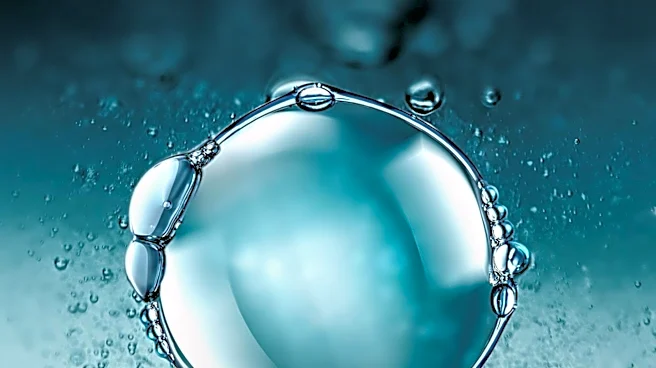
Researchers at RMIT University in Melbourne have developed a new method to capture microplastics from wastewater using a combination of microbubbles and nanobubbles. This dual-bubble approach has demonstrated
removal rates of over 90% in laboratory settings. The technique enhances the traditional dissolved air flotation process by improving particle attachment and aggregation, making it more effective in removing microplastics. The method is designed to be easily integrated into existing wastewater treatment plants without significant infrastructure changes. The research team is now seeking industry partners to validate the approach under real-world conditions.
Why It's Important?
Microplastic pollution is a growing environmental concern, posing risks to ecosystems and human health. Wastewater treatment plants are a major pathway for microplastics entering the environment, as they often slip through filtration processes. The new dual-bubble technique offers a practical solution to significantly increase microplastic removal during the primary treatment stage. By capturing microplastics before they concentrate in sewage sludge, the method could reduce their release into the environment, supporting efforts to mitigate pollution and protect public health.
What's Next?
The research team plans to collaborate with industry partners to test the dual-bubble approach in various wastewater streams and under real operating conditions. Successful implementation could lead to widespread adoption of the technique in wastewater treatment facilities, contributing to global efforts to reduce microplastic pollution. The team is also exploring potential applications of the method in other areas of environmental remediation.