
What's Happening?
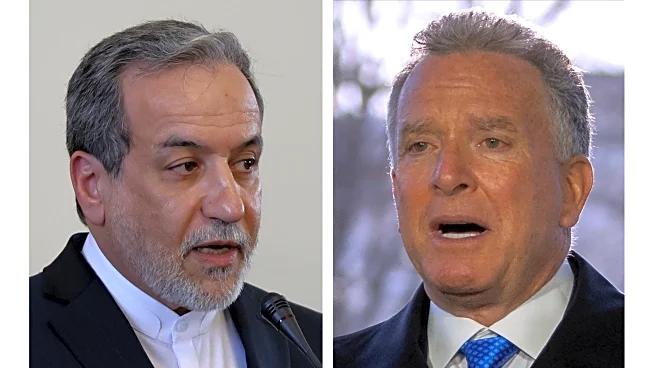
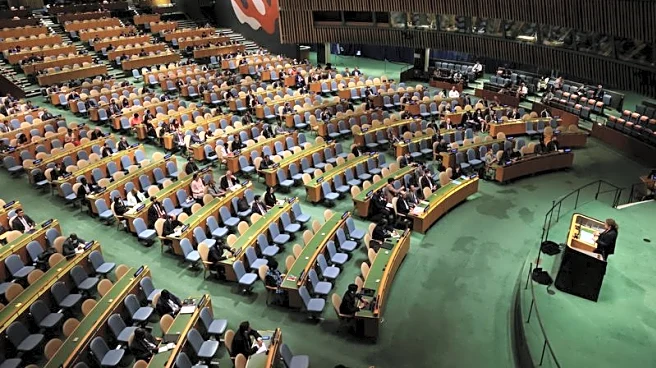
The United Nations Security Council is holding an emergency session in New York to address the deadly anti-government protests in Iran. The protests, which began in late December, have been driven by economic
issues such as inflation and currency collapse, leading to a harsh crackdown by Iranian authorities. The United States requested the meeting, highlighting the need for independent investigations into the killings and expressing concern over potential military strikes. The UN has warned against the use of the death penalty against protesters and called for restraint to prevent further escalation.
Why It's Important?
The protests in Iran are a critical issue due to their potential to destabilize the region and impact international relations. The economic grievances fueling the protests reflect broader challenges within Iran, which could lead to increased unrest and political instability. The international community's response, particularly from the UN and the U.S., is crucial in shaping the outcome of the crisis. The situation also highlights the importance of addressing human rights concerns and ensuring accountability for actions taken during the protests. The potential for military intervention adds a layer of complexity to the situation, with significant implications for regional and global security.
What's Next?
The UN's call for restraint and independent investigations suggests a focus on diplomatic efforts to resolve the crisis. However, the potential for military escalation remains if tensions are not managed effectively. The international community may continue to exert pressure on Iran through diplomatic channels and sanctions. Iran's response to these pressures and its handling of the protests will be critical in determining the next steps. The situation requires careful monitoring to prevent further violence and ensure a peaceful resolution.