




What's Happening?
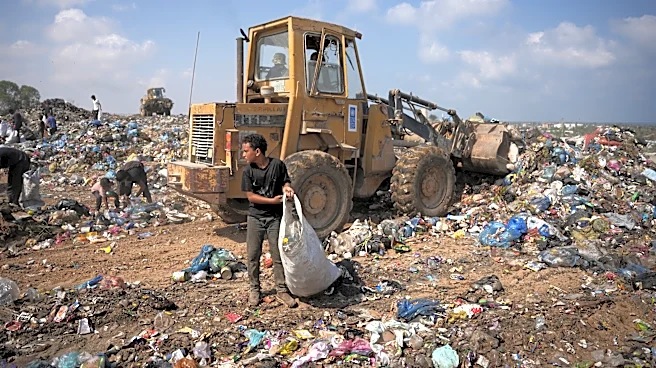
The documentary 'American Doctor' offers an intimate look at the decimated healthcare system in Gaza under Israeli assault, following three American surgeons on medical missions to the Palestinian territory. The film documents their experiences treating
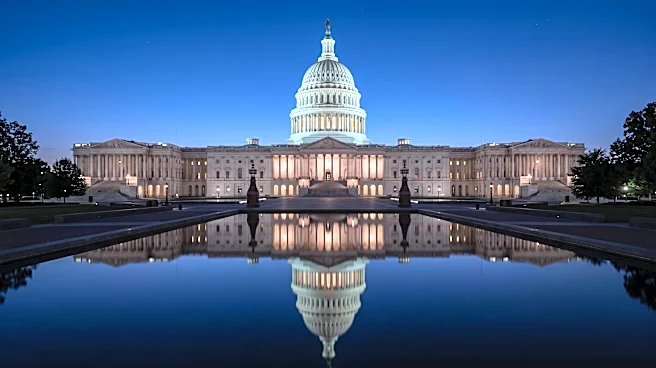
wounded men, women, and children, and highlights the struggles of their Palestinian colleagues amidst bombardments, displacement, and severe shortages of food, medicine, and water. Director Poh Si Teng, along with orthopedic surgeon Mark Perlmutter and emergency medicine physician Thaer Ahmad, discussed the film and their work. Perlmutter recounted amputating hundreds of legs without anesthesia, noting that the only comfort available for babies was singing. The film also follows the American doctors back home as they share their testimonies with the press, public, and members of Congress, emphasizing the U.S.'s role given its military support to Israel. Perlmutter stated that surgical instruments and antibiotics he brought into Gaza were confiscated, attributing the scarcity of medical supplies to a "deliberate" policy by the Israeli government under "dual-use" regulations.
Why It's Important?
The documentary 'American Doctor' is important because it provides a direct, unfiltered account of the humanitarian crisis in Gaza, particularly concerning healthcare. By focusing on American doctors, it bridges the geographical and political distance for a U.S. audience, making the human impact of the conflict more tangible. The film's emphasis on the confiscation of medical supplies and the deliberate nature of scarcity, as alleged by Perlmutter, raises critical questions about international humanitarian law and the responsibilities of occupying powers. It also highlights the ethical dilemmas faced by medical professionals in conflict zones and the profound psychological toll of witnessing such suffering. For the U.S., the documentary's call to action regarding military support to Israel directly challenges public and political discourse, urging a re-evaluation of foreign policy based on humanitarian concerns. It underscores the power of documentary filmmaking in bringing underreported or complex global issues to the forefront of public consciousness.
What's Next?
The documentary 'American Doctor' is currently in theaters in select U.S. cities, aiming to raise awareness and provoke discussion among the American public. Its release is likely to intensify calls for greater scrutiny of U.S. foreign policy and military aid to Israel, particularly from human rights organizations and activist groups. The testimonies of the American doctors, especially their direct engagement with members of Congress, could influence legislative debates and potentially lead to increased pressure for humanitarian intervention or changes in aid conditions. The film may also encourage more medical professionals to volunteer for missions in conflict zones, drawing attention to the critical need for medical supplies and personnel. Furthermore, the documentary's unflinching portrayal of the situation could prompt media outlets to provide more in-depth coverage of the healthcare crisis in Gaza, moving beyond general conflict reporting to focus on specific humanitarian challenges.
Beyond the Headlines
Beyond its immediate impact, 'American Doctor' delves into the deeper ethical and moral implications of international conflicts and the role of global powers. It forces viewers to confront the uncomfortable reality of human suffering in war and the complicity, perceived or real, of nations providing military support. The film's portrayal of doctors struggling to provide basic care without essential supplies highlights a profound failure of humanitarian principles and international cooperation. It also touches on the psychological burden carried by those who witness and attempt to alleviate such suffering, raising questions about moral injury and the long-term effects on healthcare providers. The documentary serves as a powerful reminder that conflicts have far-reaching consequences beyond geopolitical strategies, impacting the most vulnerable populations and challenging the conscience of the international community to act more effectively in protecting human life and dignity.