


What's Happening?
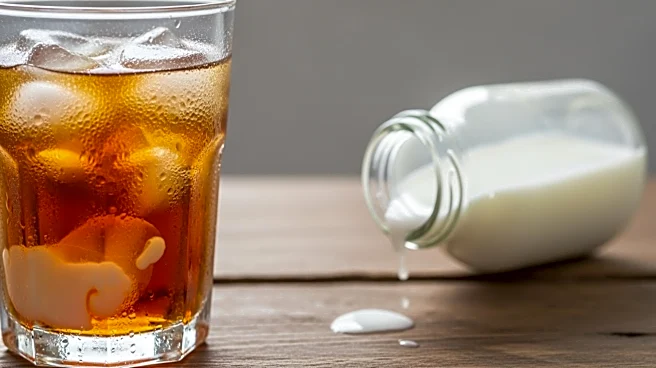
Wawa has initiated a voluntary recall of several of its bottled drinks, including iced tea, after discovering they may contain undeclared milk, a significant food allergen. This recall, announced by the U.S. Food and Drug Administration (FDA) on April
3, 2026, affects selected 16-ounce Wawa-branded drinks such as Iced Tea Lemon, Iced Tea Diet Lemon, Diet Lemonade, and Fruit Punch. These products were distributed to Wawa stores in Pennsylvania, Delaware, Maryland, New Jersey, and Virginia. The recall was prompted by a temporary equipment issue that may have introduced milk into products that do not list it as an ingredient. As a result, these beverages could pose a risk to individuals with milk allergies. Wawa has removed all impacted beverages from store shelves and disposed of them. Consumers are advised to check for specific UPCs and best-by dates on the bottles and to avoid consumption if they have a milk allergy.
Why It's Important?
The recall highlights the critical importance of accurate food labeling, especially concerning allergens. Milk is one of the FDA's nine major food allergens, and federal law mandates that foods containing these allergens must clearly disclose them on packaging. Undeclared allergens can lead to severe health risks, including anaphylaxis, a potentially life-threatening reaction. This incident underscores the need for stringent quality control measures in food production to prevent such occurrences. The recall affects consumers in five states, potentially impacting Wawa's brand reputation and consumer trust. It also serves as a reminder to other food manufacturers about the importance of compliance with food safety regulations to protect public health.
What's Next?
Wawa has advised consumers who purchased the recalled drinks to dispose of them and contact their customer service for a refund. The company is likely to review and enhance its quality control processes to prevent future occurrences. The FDA may continue to monitor the situation to ensure compliance and may conduct further investigations if necessary. Consumers and advocacy groups may call for stricter regulations and oversight to prevent similar incidents. The recall could also prompt other companies to reassess their allergen management practices to avoid potential risks.