


What's Happening?
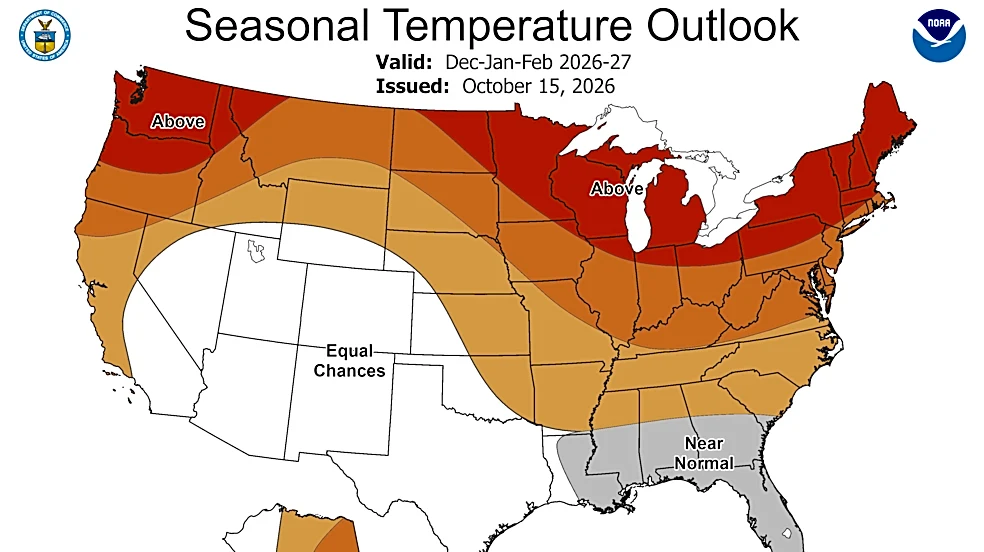
The National Oceanic and Atmospheric Administration (NOAA) and the Climate Prediction Center have issued an experimental outlook indicating that Michigan is likely to experience above-average temperatures and below-average precipitation during late autumn
and winter. This forecast aligns with a strong El Niño pattern currently active in the Pacific Ocean, which historically leads to milder conditions in northern U.S. states. Specifically, the official winter outlook from December through February favors warmer-than-average temperatures and drier conditions across the Midwest and Great Lakes region. National Weather Service forecasters note that strong El Niño patterns typically result in lower seasonal snow totals and reduced lake-effect snow opportunities, although individual winter storms and sudden cold-air outbreaks are still possible throughout the season. The 3-4 week rainfall outlook also shows a tilt toward below-average precipitation for most of Michigan, contrasting with the typical cool season strong El Niño pattern of above-average rainfall in the South.
Why It's Important?
The projected milder and drier winter for Michigan due to El Niño carries significant implications for various sectors. For residents, it could mean reduced heating costs and potentially fewer disruptions from heavy snowfall, but also a decrease in winter recreational activities like skiing and snowboarding. The agricultural sector might face challenges if the drier conditions extend into spring, impacting soil moisture and planting schedules. Furthermore, the reduction in lake-effect snow could affect water levels in the Great Lakes over time, which are crucial for shipping, hydropower, and local ecosystems. The shift in weather patterns also influences energy demand, potentially lowering the need for natural gas and electricity for heating, but possibly increasing demand for other resources if the mildness leads to earlier spring-like conditions. The forecast highlights the broad reach of global climate phenomena on regional U.S. weather and its subsequent economic and social impacts.
What's Next?
Michigan residents and businesses should monitor updated weather forecasts from NOAA and the National Weather Service as the late fall and winter seasons progress. While the general outlook points to milder and drier conditions, the possibility of individual winter storms and cold-air outbreaks means preparedness for varied weather remains essential. Local authorities and utility companies will likely continue to plan for potential shifts in energy consumption and resource management. For agricultural communities, assessing soil moisture levels and adjusting planting strategies in anticipation of drier conditions will be crucial. Recreational industries dependent on snow, such as ski resorts, may need to adapt their operations or marketing strategies to account for potentially reduced snowfall. The ongoing El Niño pattern is expected to persist, influencing U.S. weather patterns throughout the fall and winter months, making continuous monitoring vital for informed decision-making.
Beyond the Headlines
The influence of El Niño on Michigan's winter weather underscores the interconnectedness of global climate systems and their localized effects. Beyond immediate impacts, a consistently milder and drier winter could contribute to longer-term ecological shifts, such as changes in plant and animal habitats, and potentially alter the timing of seasonal cycles. The reduced snowpack could also affect freshwater reserves, impacting groundwater recharge and streamflow in the spring, which are vital for both human consumption and ecosystem health. This situation highlights the broader challenge of climate variability and the need for robust adaptation strategies across various sectors, from urban planning to natural resource management. Understanding these large-scale climate phenomena is crucial for developing resilient communities and economies in the face of changing environmental conditions.