




What's Happening?
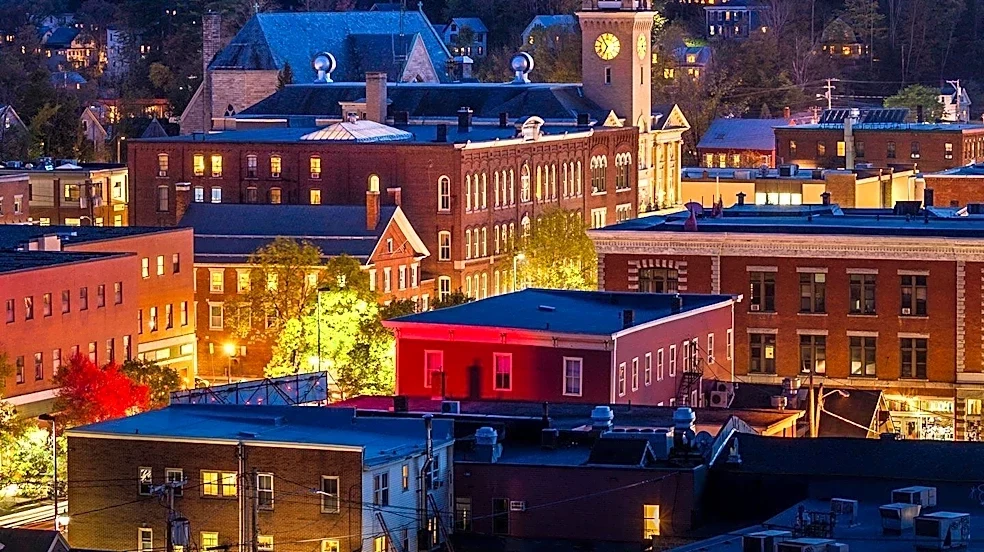
The City of Rutland, Vermont, has established specific Architectural and Design Guidelines to govern development within its Downtown Business District. These guidelines are part of the Land Development Regulations and are designed to ensure that all renovations
and new construction projects preserve and enhance the unique architectural character of Downtown Rutland. Projects falling under § 5724 Design Control Districts are required to adhere to these standards. Approval for such projects is typically granted by the Architectural Review Committee (ARC) and, in some cases, the Development Review Board (DRB). Property owners planning development in this district are advised to review the Architectural and Design Guidelines detailed in § 5743 Downtown Business District (DB) section and to contact the Department of Planning and Zoning early in their design process for project review. ARC meetings are held on the second Wednesday of each month at 8:00 am in the Downstairs Conference Room at City Hall.
Why It's Important?
These architectural guidelines are crucial for maintaining the aesthetic integrity and historical character of Rutland's Downtown Business District. By regulating design, materials, and overall appearance of new constructions and renovations, the city aims to prevent incongruous developments that could detract from the area's unique appeal. This is vital for preserving local heritage, attracting tourism, and fostering a vibrant urban environment that residents and visitors can appreciate. Consistent architectural standards can also contribute to increased property values and a stronger sense of place. For businesses and property owners, understanding and adhering to these guidelines is essential for successful project approval and avoiding costly redesigns or delays. The guidelines reflect a commitment to planned development that respects the past while accommodating future growth, ensuring that economic progress does not come at the expense of cultural and visual identity.
What's Next?
Property owners and developers intending to undertake projects within Rutland's Downtown Business District will need to familiarize themselves thoroughly with the Architectural and Design Guidelines. The next steps for any proposed development will involve early consultation with the Department of Planning and Zoning to ensure compliance. Projects will then proceed through the review process with the Architectural Review Committee (ARC) and potentially the Development Review Board (DRB) for approval. Regular ARC meetings will continue to be held monthly, providing a consistent schedule for project submissions and reviews. The city's emphasis on early engagement suggests a proactive approach to guiding development, aiming to streamline the approval process for projects that align with the established aesthetic and design principles. Future developments in the downtown area will serve as tangible examples of how these guidelines are being implemented and their impact on the urban landscape.
Beyond the Headlines
The implementation of architectural guidelines in Rutland's Downtown Business District reflects a broader philosophical approach to urban development that prioritizes qualitative aspects alongside economic growth. Beyond mere aesthetics, such guidelines often embody a community's values regarding its historical legacy, cultural identity, and desired future character. They can foster a sense of collective ownership and pride in the built environment, encouraging developments that are not just functional but also beautiful and contextually appropriate. However, these guidelines can also present challenges, potentially increasing costs or limiting design flexibility for developers. The balance between preserving historical character and allowing for modern innovation is a constant tension in urban planning. Ultimately, the success of these guidelines will depend on their clear communication, consistent application, and the city's ability to adapt them over time to meet evolving needs while staying true to Rutland's unique identity.