




What's Happening?
SmithGroup experts Bradley Lockwood and Emma Cuciurean-Zapan discuss the evolving design of STEM learning environments to meet future educational demands. As STEM fields continue to drive job growth, educational facilities must adapt to support new tools
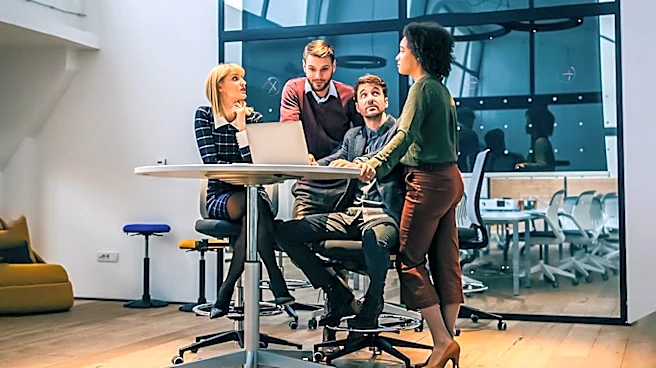
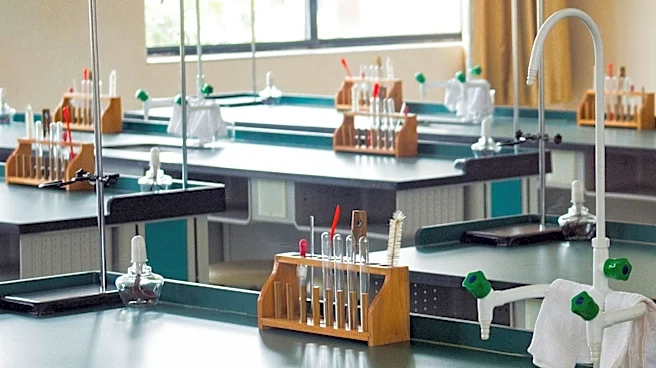
and research needs. The focus is on creating flexible spaces that encourage experimentation and hands-on learning, with reconfigurable labs and project-based learning areas. The design strategy emphasizes long-term adaptability to accommodate rapidly changing technologies and pedagogies, ensuring that facilities remain relevant and effective in preparing students for future challenges.
Why It's Important?
The transformation of STEM learning environments is critical to preparing students for careers in rapidly evolving fields. By designing adaptable and flexible educational spaces, institutions can foster innovation and collaboration, equipping students with the skills needed to succeed in a dynamic job market. This approach also supports interdisciplinary learning, as STEM education increasingly integrates with other fields such as the arts and humanities. As educational needs continue to change, the ability to quickly adapt facilities will be essential for maintaining the competitiveness and relevance of educational institutions.