






What's Happening?
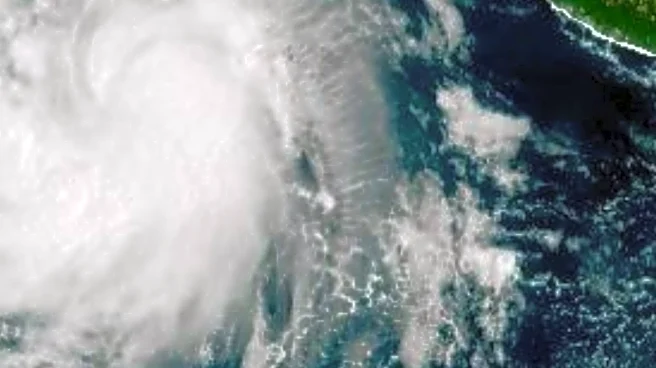
South American countries are bracing for the impact of an intense El Niño phenomenon, expected to bring extreme weather conditions until March 2027. The NOAA predicts a 97% chance of El Niño persisting, with the World Meteorological Organization confirming
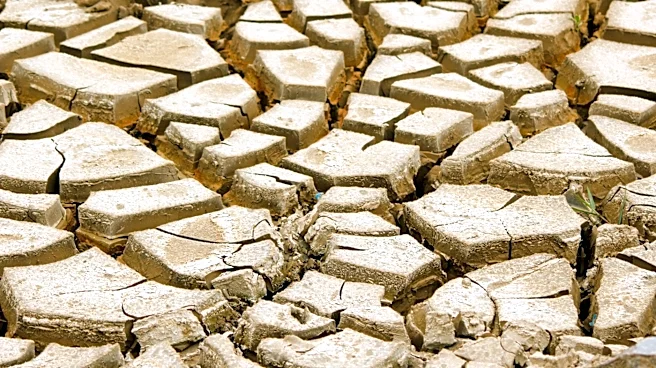
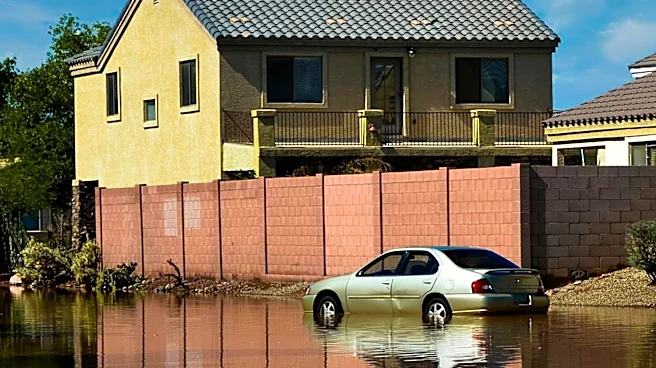
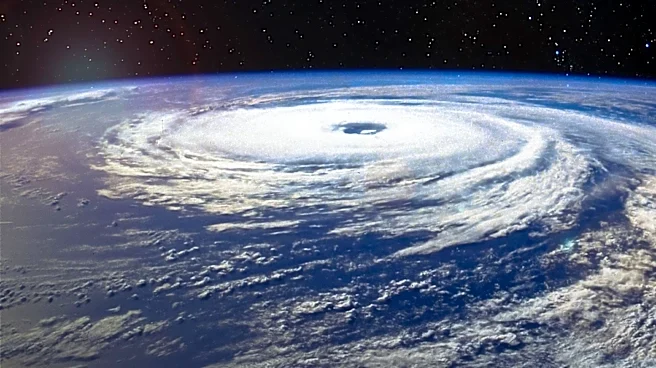
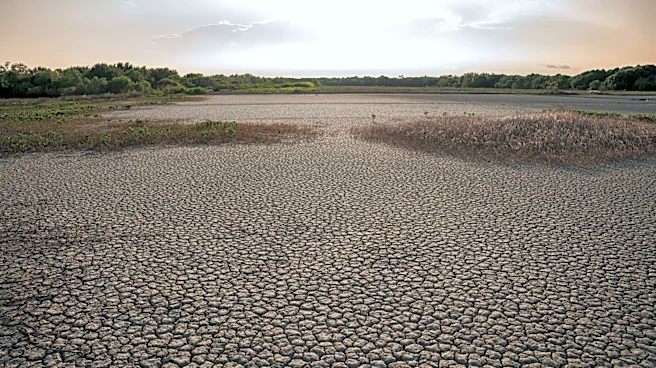
its intensification. Countries like Peru, Chile, and Ecuador are preparing for torrential rains, floods, droughts, and wildfires. The phenomenon redistributes rainfall, causing varied effects across regions. Chile has already experienced record rainfall and flooding, while Ecuador anticipates heavy rains later in the year. Colombia expects reduced rainfall, leading to droughts and increased wildfire risk.
Why It's Important?
The El Niño phenomenon poses significant challenges for South American countries, impacting agriculture, infrastructure, and public safety. The extreme weather conditions threaten food security, economic stability, and the well-being of communities. Governments are investing in emergency preparedness and mitigation strategies to minimize damage. The situation underscores the importance of climate resilience and adaptation measures in the face of increasingly unpredictable weather patterns. The economic impact could be substantial, affecting sectors like agriculture and energy, and requiring international cooperation and support.
What's Next?
Countries are implementing plans to address the anticipated impacts of El Niño, including reinforcing infrastructure, securing food supplies, and enhancing emergency response capabilities. Governments may need to adjust policies and allocate resources to support affected communities and industries. The international community could play a role in providing assistance and expertise to help South American countries navigate the challenges posed by El Niño.
Beyond the Headlines
The El Niño phenomenon highlights the broader issue of climate change and its impact on global weather patterns. The increased frequency and intensity of such events call for a reevaluation of climate policies and strategies. The situation presents an opportunity for countries to strengthen their climate resilience and collaborate on sustainable solutions to mitigate future risks.