


What's Happening?
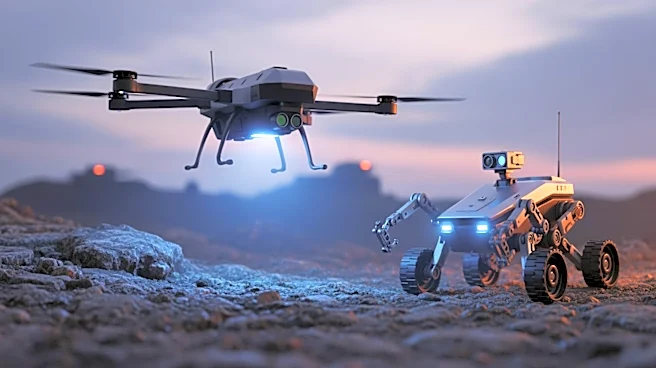
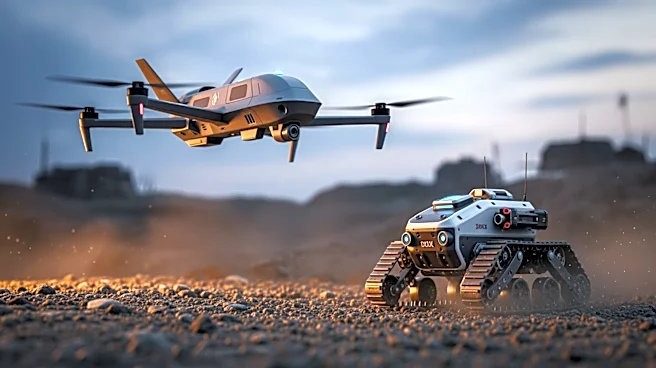
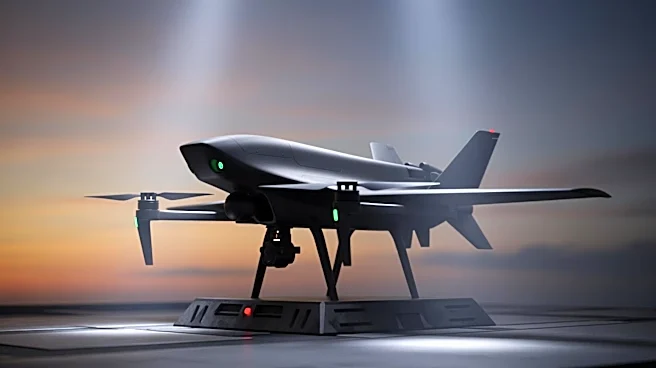
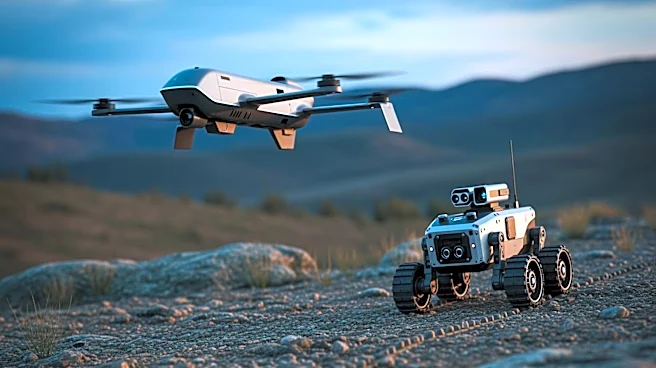
The U.S. Marines, specifically the Expeditionary Operations Training Group of the III Marine Expeditionary Force, have demonstrated advanced capabilities in unmanned systems at Camp Hansen, Okinawa, Japan. This demonstration, held on April 15, 2026, showcased
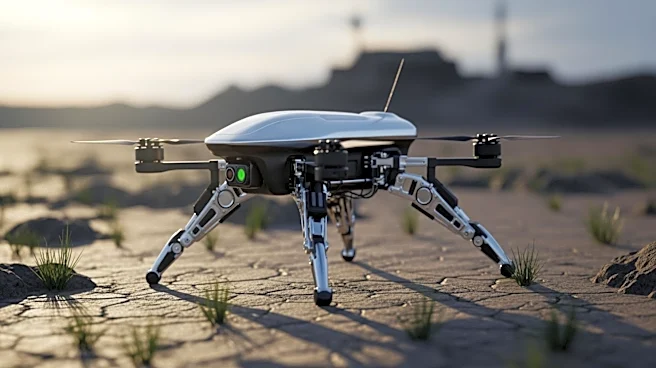
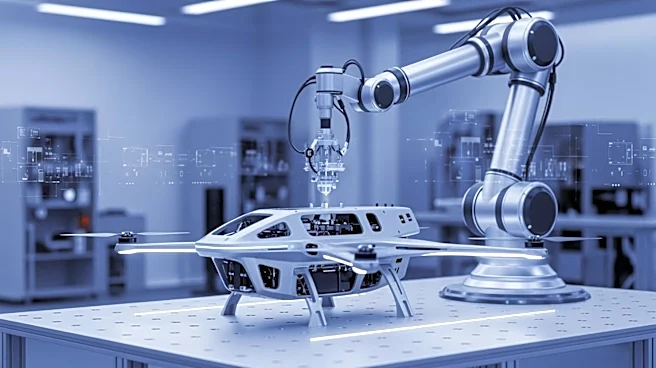
the use of adaptive manufacturing to enhance the capabilities of unmanned systems. The Unmanned Systems Branch is focused on analyzing and designing drone configurations to support various operational scenarios. These systems are designed for both remote piloting and autonomous flight, which significantly enhances the Marines' ability to adapt to evolving battlefield requirements. The demonstration is part of ongoing efforts to integrate advanced technology into military operations, ensuring that the Marines remain at the forefront of modern warfare capabilities.
Why It's Important?
The enhancement of unmanned systems capabilities is crucial for the U.S. military as it seeks to maintain a technological edge in modern warfare. By utilizing adaptive manufacturing, the Marines can rapidly develop and deploy drones tailored to specific mission requirements, increasing operational flexibility and effectiveness. This capability is particularly important in the context of evolving threats and the need for rapid response in diverse environments. The integration of autonomous flight capabilities also reduces the risk to human operators and allows for more complex and prolonged missions. As global military dynamics shift, maintaining superiority in unmanned systems is vital for national security and strategic advantage.
What's Next?
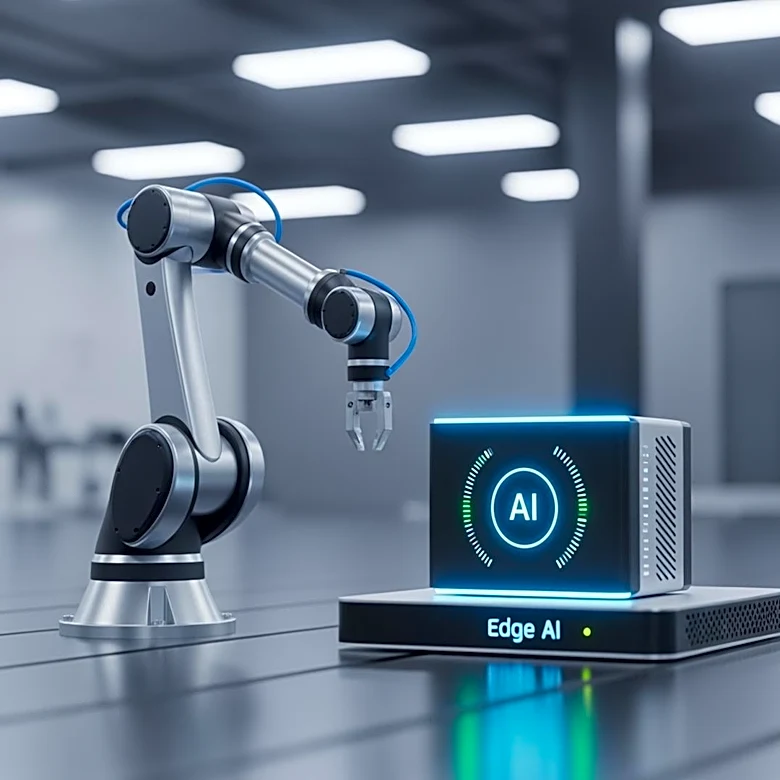
The U.S. Marines are likely to continue investing in and developing their unmanned systems capabilities. Future steps may include further integration of artificial intelligence to enhance autonomous operations and the development of new drone models with expanded capabilities. Additionally, collaboration with other branches of the military and allied nations could lead to joint exercises and shared technological advancements. The ongoing evolution of these systems will require continuous adaptation to emerging threats and technological innovations.