




What's Happening?
Mayo Clinic has announced that the new entrance to its downtown Rochester campus will be named the 'Penske Arrival Building.' This naming recognizes a significant gift from the Penske Foundation, which supports Mayo Clinic's 'Bold. Forward. Unbound.'
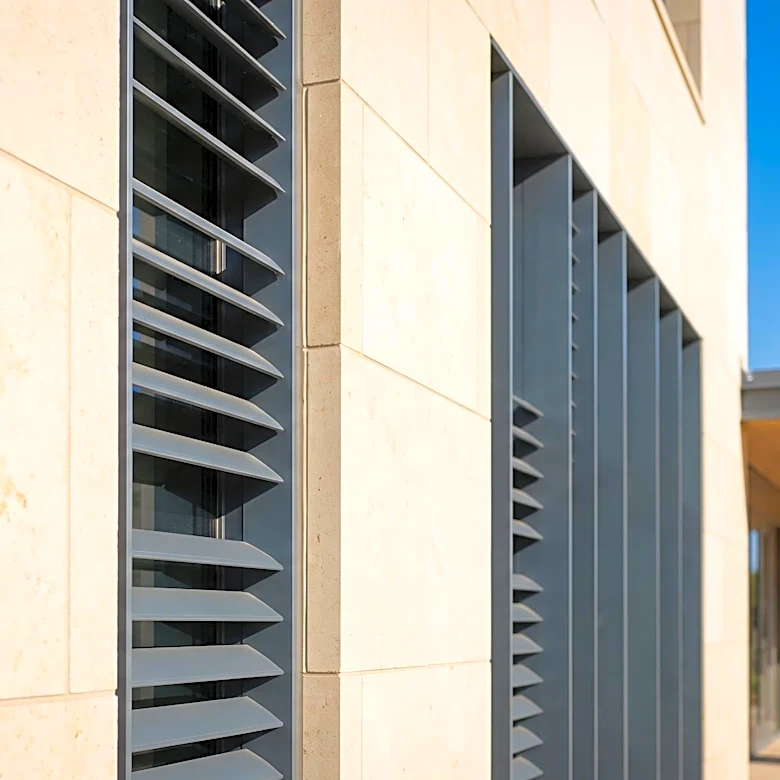
initiative. The new 15,000-square-foot building is designed to serve as a gateway to the campus, aiming to integrate transportation, navigation, hospitality, and human support to streamline the arrival and departure experience for patients and their families. The goal is to reduce logistical burdens, allowing patients to focus on their health. Blair Penske Hall, president of the Penske Foundation, expressed pride in supporting Mayo Clinic's vision for transforming the patient experience and emphasized the foundation's long-standing partnership with the healthcare provider. The Penske Arrival Building is scheduled to become operational on October 8, offering valet and drop-off services. A new 500-space parking ramp for Mayo Clinic patients is also slated to open in April of next year.
Why It's Important?
The naming of the Penske Arrival Building signifies a major philanthropic contribution that will directly impact the patient experience at one of the nation's leading healthcare institutions. This development is important for the healthcare industry as it underscores the growing trend of integrating hospitality and ease of access into medical facilities, recognizing that the patient journey begins even before clinical care. For Rochester, Minnesota, this new building reinforces Mayo Clinic's commitment to the city and its role as a global healthcare destination, potentially attracting more patients and contributing to the local economy. The focus on reducing logistical burdens for patients and families highlights a patient-centric approach that could set a new standard in healthcare facility design and operation. The investment in infrastructure, including the new parking ramp, also addresses practical challenges faced by large medical campuses, improving accessibility and convenience for thousands of visitors annually.
What's Next?
The Penske Arrival Building is set to open on October 8, initiating valet and drop-off services for patients and visitors. Following this, a new 500-space parking ramp dedicated to Mayo Clinic patients is scheduled to open in April of next year. These operational milestones will mark the full implementation of the new arrival experience. The success of this integrated approach to patient arrival will likely be monitored, potentially influencing future design and operational strategies across Mayo Clinic's other facilities or inspiring similar initiatives in other major healthcare systems. The ongoing partnership between the Penske Foundation and Mayo Clinic suggests continued philanthropic support for healthcare innovation and patient-centered care. The community will observe the impact of these new facilities on traffic flow, patient satisfaction, and the overall accessibility of the downtown campus.
Beyond the Headlines
Beyond the immediate benefits of improved patient access and convenience, the Penske Arrival Building represents a broader shift in how healthcare institutions perceive and manage the patient experience. It acknowledges that the environment surrounding medical care significantly impacts patient well-being and recovery. This initiative could spark deeper conversations within the healthcare sector about the importance of holistic patient support, extending beyond clinical treatment to encompass logistical and emotional aspects of the healthcare journey. The collaboration between a major philanthropic foundation and a leading medical institution also highlights the critical role of private funding in advancing healthcare innovation and infrastructure. This model of integrated arrival services could become a benchmark, influencing architectural design, operational protocols, and patient engagement strategies across the U.S. healthcare landscape, ultimately aiming to humanize the often-stressful experience of seeking medical care.