





What's Happening?
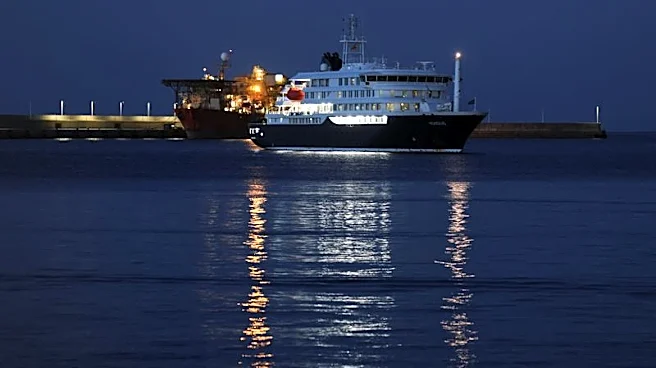
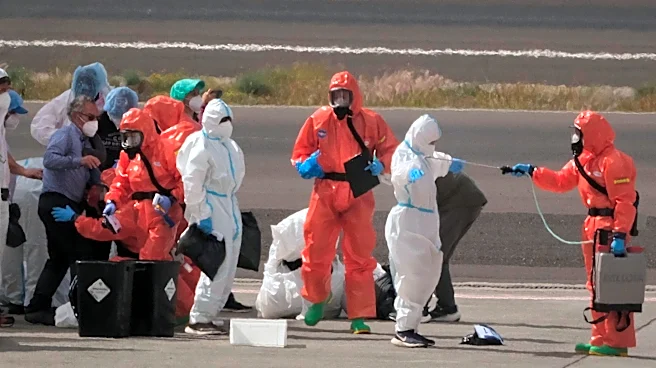
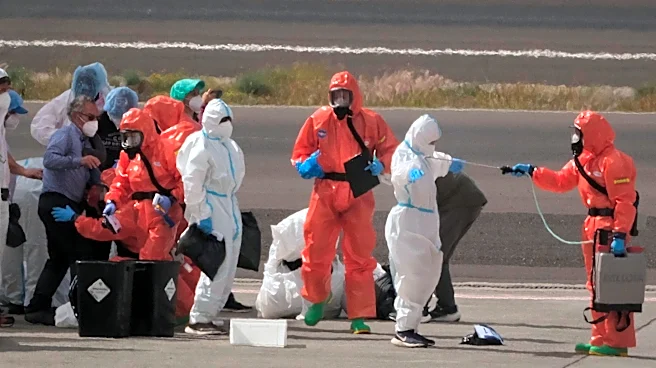
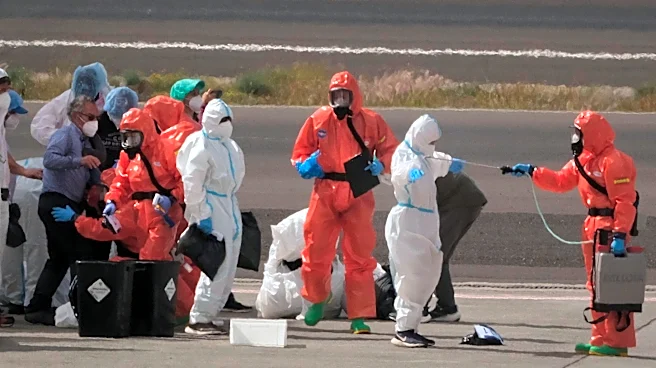
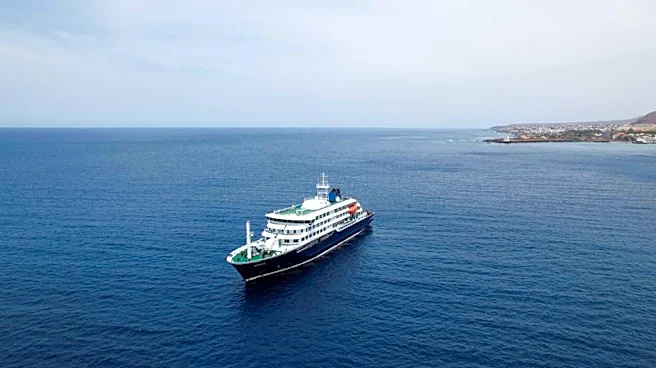
A hantavirus outbreak aboard the cruise ship MV Hondius has resulted in 11 confirmed or probable cases and three deaths as of May 12, 2026. The outbreak, which occurred in a tightly packed cruise ship environment, has prompted a response involving quarantine
measures and monitoring of passengers. The World Health Organization (WHO) and other health officials have reassured the public that the hantavirus does not have the transmissibility to become a pandemic threat like Covid-19. However, the outbreak highlights the challenges faced by the global health system, which has been weakened by staffing reductions and political decisions, such as the U.S. and Argentina withdrawing from the WHO.
Why It's Important?
The hantavirus outbreak underscores the vulnerabilities in the global health system, particularly in the wake of the Covid-19 pandemic. The response to the outbreak has been complicated by reduced resources and political decisions that have weakened international health cooperation. The situation serves as a reminder of the importance of maintaining robust public health systems capable of responding to emerging disease threats. The outbreak also raises questions about the capacity of the current global health infrastructure to manage potential pandemics effectively, emphasizing the need for continued investment and international collaboration in public health.
What's Next?
Health officials will continue to monitor the situation closely, with quarantines and monitoring in place for those potentially exposed to the virus. The outbreak may prompt discussions on strengthening global health systems and improving international cooperation to prevent future pandemics. The response to the hantavirus outbreak could serve as a case study for evaluating the effectiveness of current public health strategies and identifying areas for improvement. Policymakers and health organizations may need to reassess their approaches to ensure preparedness for future health crises.