







What's Happening?
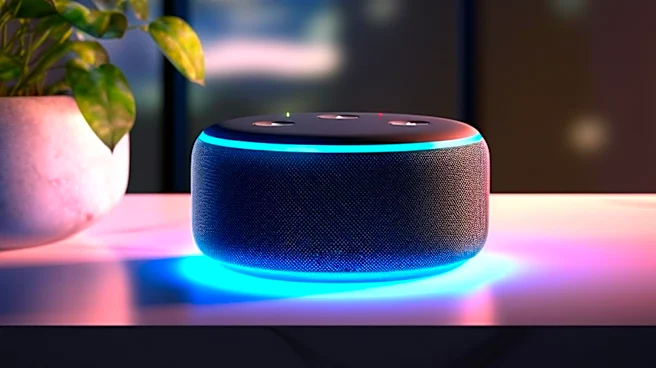
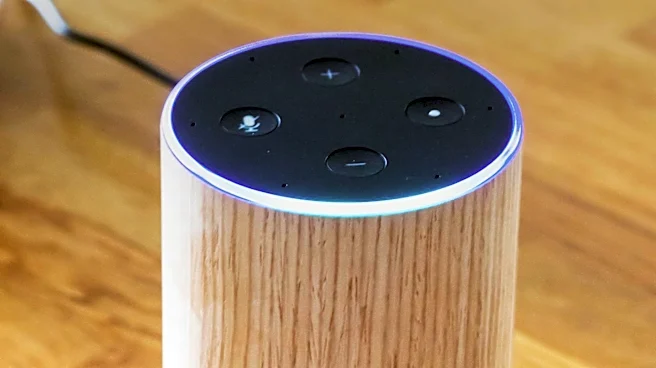
Amazon has disabled Alexa voice controls for the AUX input on several older Echo speakers, including the second-generation Echo Plus (2018), third-generation Echo (2019), original Echo Studio (2019), and fourth-generation Echo (2020). This change means
commands such as "Alexa, play from line in" and "Alexa, set AUX input" no longer function. Amazon confirmed the removal, stating that it had notified a "very small number of customers" who utilized voice requests for AUX playback, but did not provide a reason for the feature's discontinuation. While the physical AUX connection still works, allowing users to play audio via a cable and manage input/output through the Alexa app, the loss of voice control has been a source of frustration for those who relied on the convenience of hands-free switching to wired audio sources.
Why It's Important?
This decision by Amazon impacts a segment of its user base who invested in older Echo devices, potentially diminishing the perceived value and convenience of their smart speakers. For consumers, the removal of a previously available feature, especially without a clear explanation, can lead to dissatisfaction and erode trust in product longevity and support. It highlights a broader issue in the smart device ecosystem where manufacturers can alter functionalities post-purchase, affecting user experience and device utility. This move could also influence future purchasing decisions, as consumers may become more wary of relying on features that could be unilaterally removed or altered by companies, potentially favoring devices with more stable or locally controlled functionalities.
What's Next?
While Amazon has not indicated any plans to reinstate the voice control feature for AUX input on these older devices, users will need to adapt to manually managing their AUX connections through physical cables and the Alexa app. This change might prompt some users to consider upgrading to newer Echo models that may offer different connectivity options or to explore alternative smart speaker brands. The incident could also fuel discussions among consumer advocacy groups regarding the rights of users when features are removed from purchased devices. It remains to be seen if this decision will lead to a significant backlash or if the affected user base is indeed small enough for the impact to be minimal on Amazon's overall market standing.
Beyond the Headlines
The removal of a seemingly minor feature like voice control for an AUX input can have deeper implications for the concept of 'smart' devices and consumer expectations. It underscores the inherent vulnerability of cloud-dependent technologies, where core functionalities can be altered or discontinued by the service provider. This situation raises questions about the long-term viability and reliability of smart home ecosystems, particularly for features that rely on ongoing software support. It also highlights the tension between a company's desire to streamline services or push users towards newer products, and the consumer's expectation of consistent functionality from their purchased hardware. This event could serve as a case study for the challenges of maintaining legacy features in rapidly evolving tech landscapes and the importance of transparent communication with users.