





What's Happening?
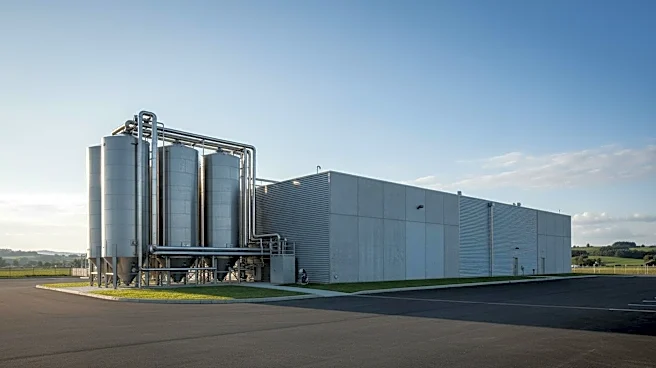
U.S. Sen. Bernie Sanders (I-Vt.) has publicly accused Dairy Farmers of America (DFA), the nation's largest dairy cooperative, of engaging in illegal union busting by closing the St. Albans Creamery. Sanders alleges that the closure is a retaliatory measure
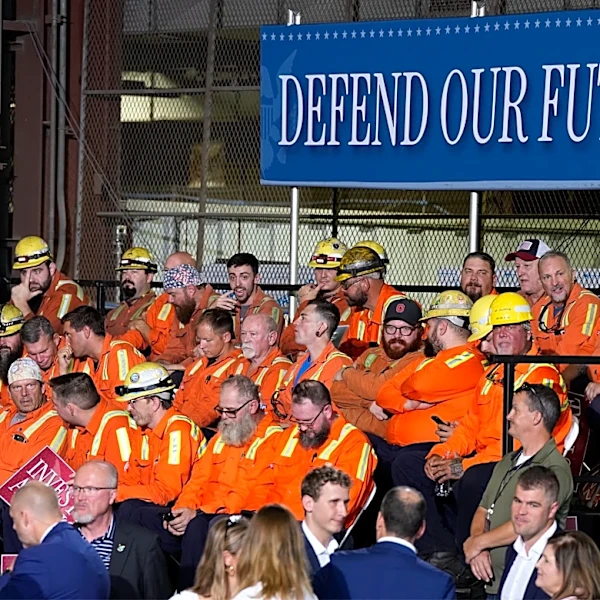
against nearly 80 unionized workers who went on strike last year to demand better pay and working conditions. Standing with workers outside the facility, Sanders called for DFA to reverse its decision, emphasizing the creamery's importance to local dairy farmers and the community. DFA, which acquired the facility in 2019, announced in June its intention to 'idle' the creamery. The company has vehemently denied Sanders' claims, labeling them as 'ridiculous and inaccurate.' A federal judge in Burlington issued a five-day restraining order blocking DFA from closing the plant, and Teamsters Local No. 597 members attempted to return to work, though they were not permitted entry. Another hearing in federal court is scheduled for Thursday. The union claims to possess an internal memo suggesting the plant's idling would help 'decertify' the union, a document DFA officials have dismissed as 'fake' and potentially AI-generated.
Why It's Important?
This situation highlights significant tensions between organized labor and corporate management, particularly concerning the rights of workers to unionize and strike without fear of reprisal. Senator Sanders' intervention underscores the political weight that can be brought to bear on such disputes, framing the closure as a potential violation of constitutional rights. For the St. Albans community and Vermont's dairy industry, the creamery's closure represents a substantial economic blow, impacting jobs and the livelihoods of local farmers who depend on the facility. The legal battle, involving a federal judge's restraining order and claims of a fraudulent internal memo, raises questions about corporate transparency and the tactics employed in labor disputes. The outcome of this case could set precedents for how companies handle unionized workforces and how labor laws are enforced, potentially influencing future labor relations across various industries in the U.S.
What's Next?
The immediate next step is a federal court hearing scheduled for Thursday, which will likely determine the continuation or dissolution of the temporary restraining order preventing the creamery's closure. The union, Teamsters Local No. 597, will continue to press its case, potentially presenting further evidence to support its claim of illegal union busting. DFA is expected to maintain its stance that the closure is due to market dynamics and operational considerations, unrelated to the strike. Depending on the court's decision, workers may either be allowed to return to their jobs, or the plant's closure could proceed, leading to further legal challenges and potential appeals. Political pressure from Senator Sanders and other labor advocates is likely to continue, aiming to influence public opinion and corporate decisions. The authenticity of the alleged internal corporate memo will also be a key point of contention in the ongoing legal proceedings.
Beyond the Headlines
This dispute delves into the broader implications of corporate power versus labor rights in the U.S. The accusation of 'union busting' touches upon a long-standing debate about the balance of power in employer-employee relationships and the effectiveness of labor laws designed to protect workers' rights to organize. If DFA's closure is ultimately found to be retaliatory, it could embolden labor movements and lead to increased scrutiny of corporate actions following union activities. Conversely, if DFA successfully defends its decision, it might signal challenges for unions in protecting their members from economic repercussions after strikes. The claim of an AI-generated 'fake' document also introduces a modern dimension to legal disputes, highlighting the growing complexities of evidence verification in an age of advanced technology. This case could influence how courts and legal teams approach digital evidence and the potential for misinformation in high-stakes litigation.